Titleist GTS3 Driver review(2026)

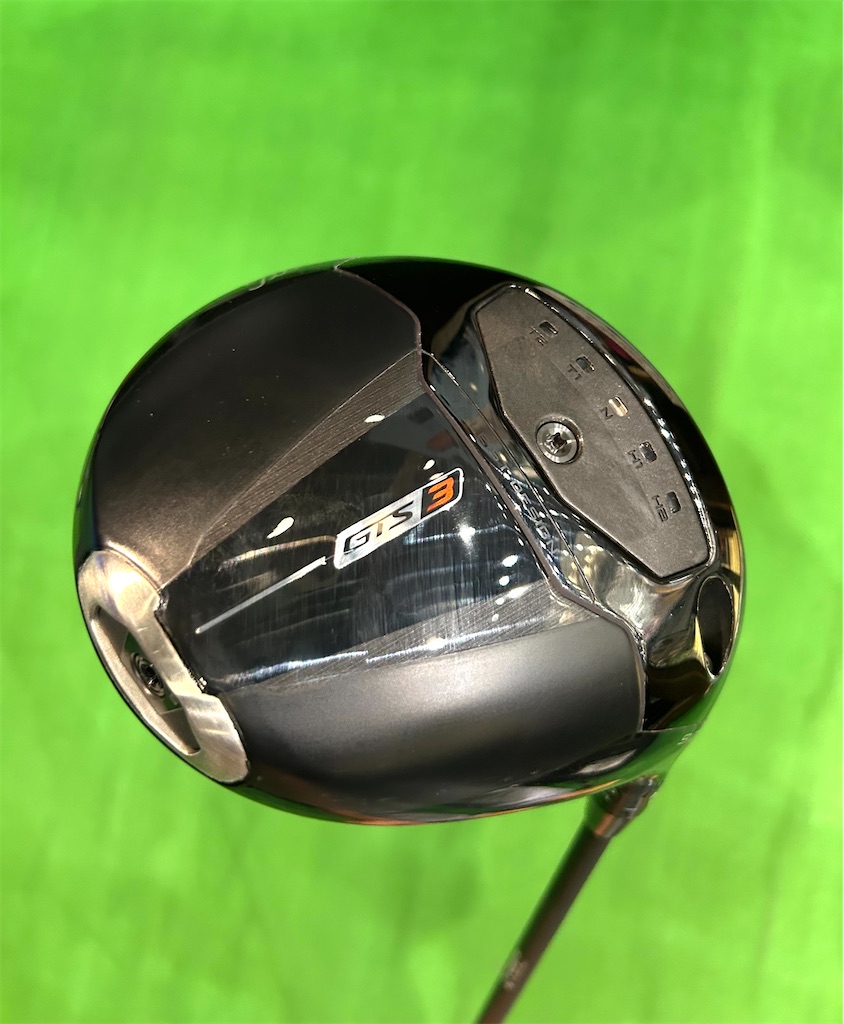
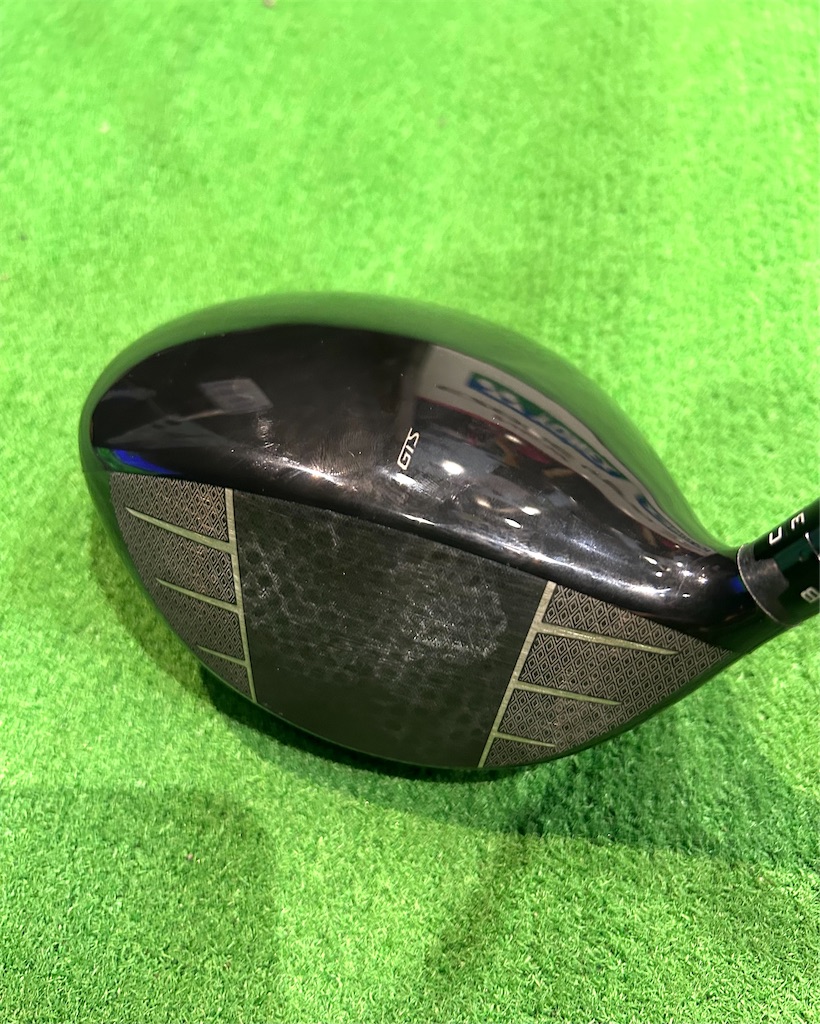
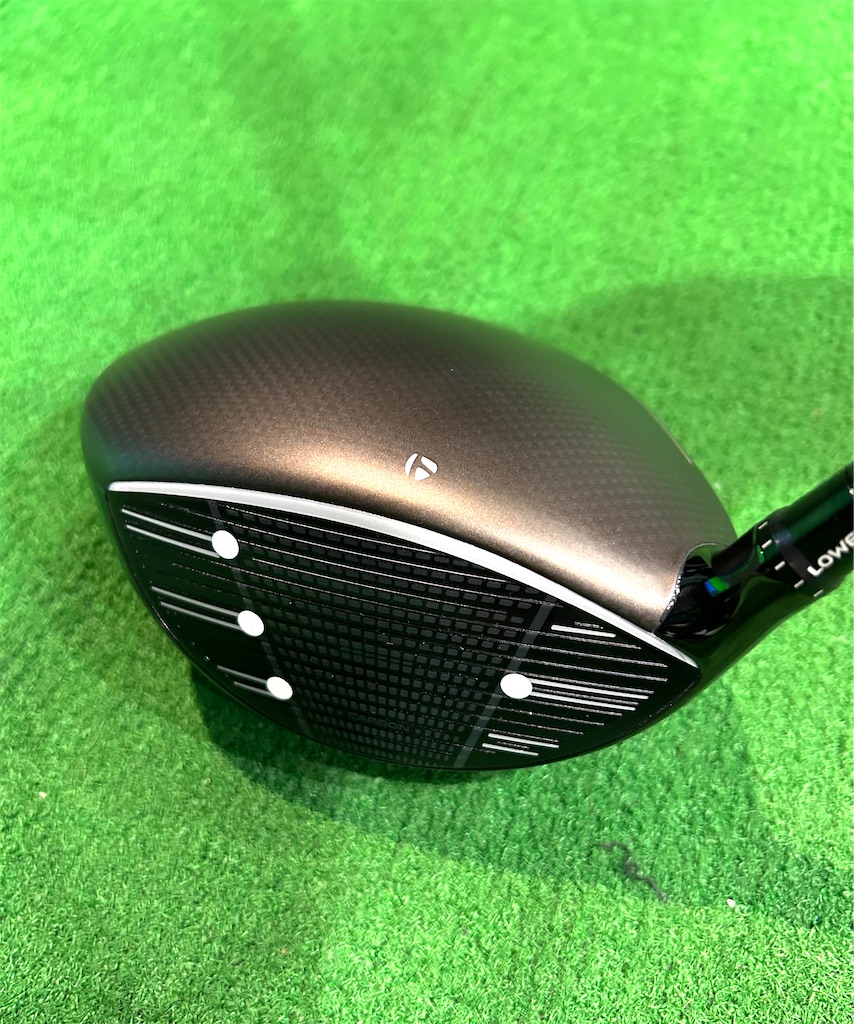
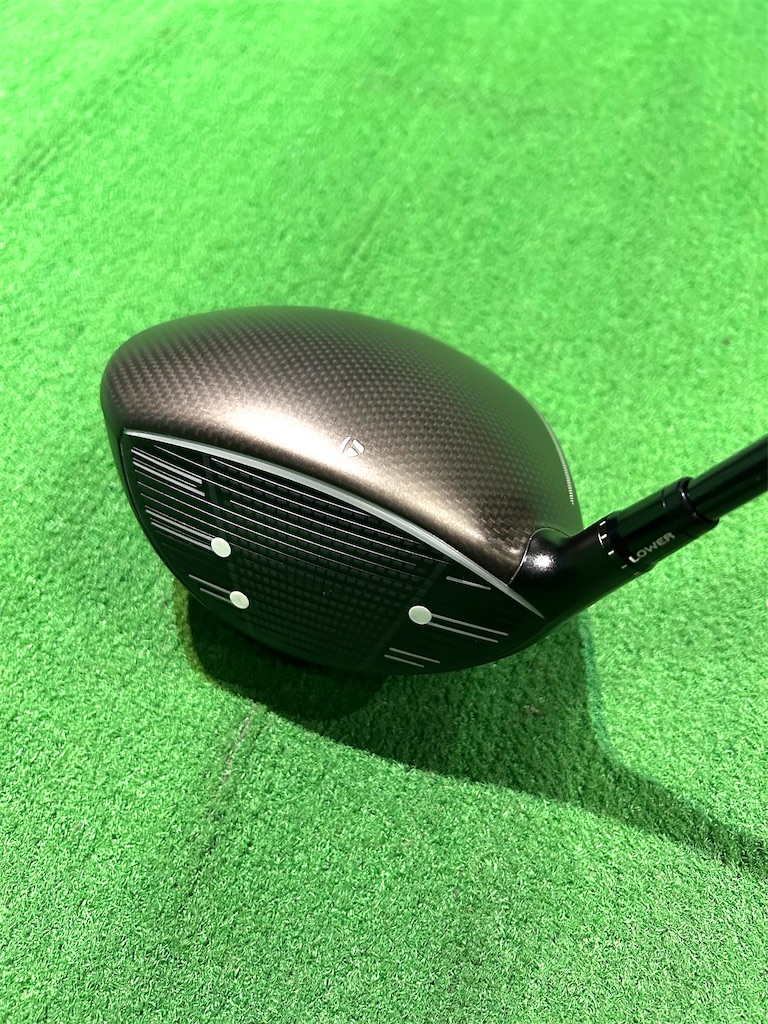
The 2026 model GTS Driver series has significantly revised its body structure, and by adopting a dual weight system, the stability and ease of swinging have changed dramatically. Among them, the GTS 3 Driver, which combines maneuverability with a low-spin trajectory, is one I would like to review in terms of how it has evolved.


GTS 3 Driver
f:id:golfpowers:20260520130200j:image

f:id:golfpowers:20260520130156j:image
Test Club: Loft 9°
Shaft: Mitsubishi Tensei 1K Blue RIP 65 (S)

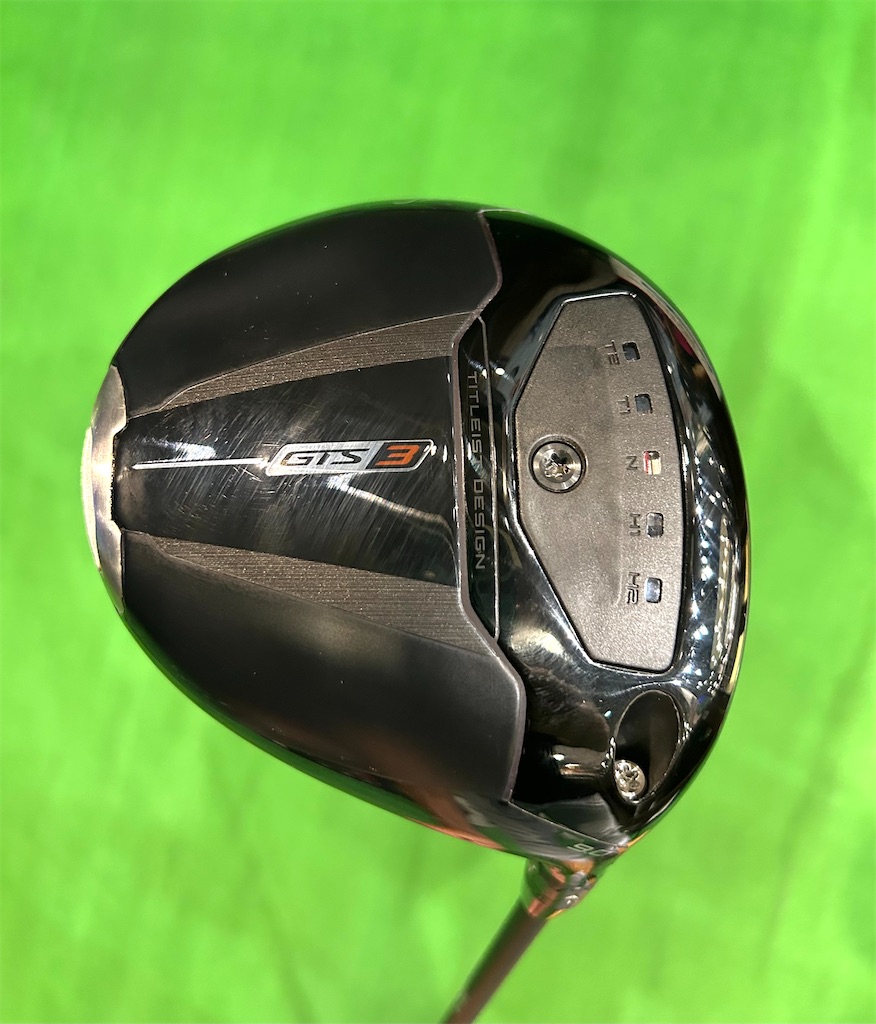
The GTS, which newly adopts a full thermo-formed body structure, achieves high stability and MOI (moment of inertia) by placing the weight toward the back. At the same time, optimal weight distribution to the front draws out even greater ball speed and ideal launch performance.

The dual weight system, adopted from the GTS series, allows for adjustable weights to optimize the center of gravity according to each player's swing characteristics. It maximizes ball speed, launch angle, spin amount, and stability, achieving further distance performance and high directional stability.

When I actually hit the GTS 3 Driver, its maneuverability and ease of swinging were notable, and it felt like its forgiveness had improved compared to the previous model. In the test hitting room, it was easy to achieve a low-spin trajectory, averaging 2200 rpm, and among tour models, it gave the impression of being easy to launch and handle. At the same time, the GTS 2 Driver, which I compared alongside it, has a smoother swing with less resistance and a draw bias model, but the GTS 3 Driver is more attractive as a tour model with a satisfying feel when hit.

Design and Feel
f:id:golfpowers:20260520130209j:image

f:id:golfpowers:20260520130216j:image

The newly designed Speed-Sink Face achieves a more optimized sweet spot.
Even on off-center hits, it minimizes initial speed loss and delivers stable distance performance.
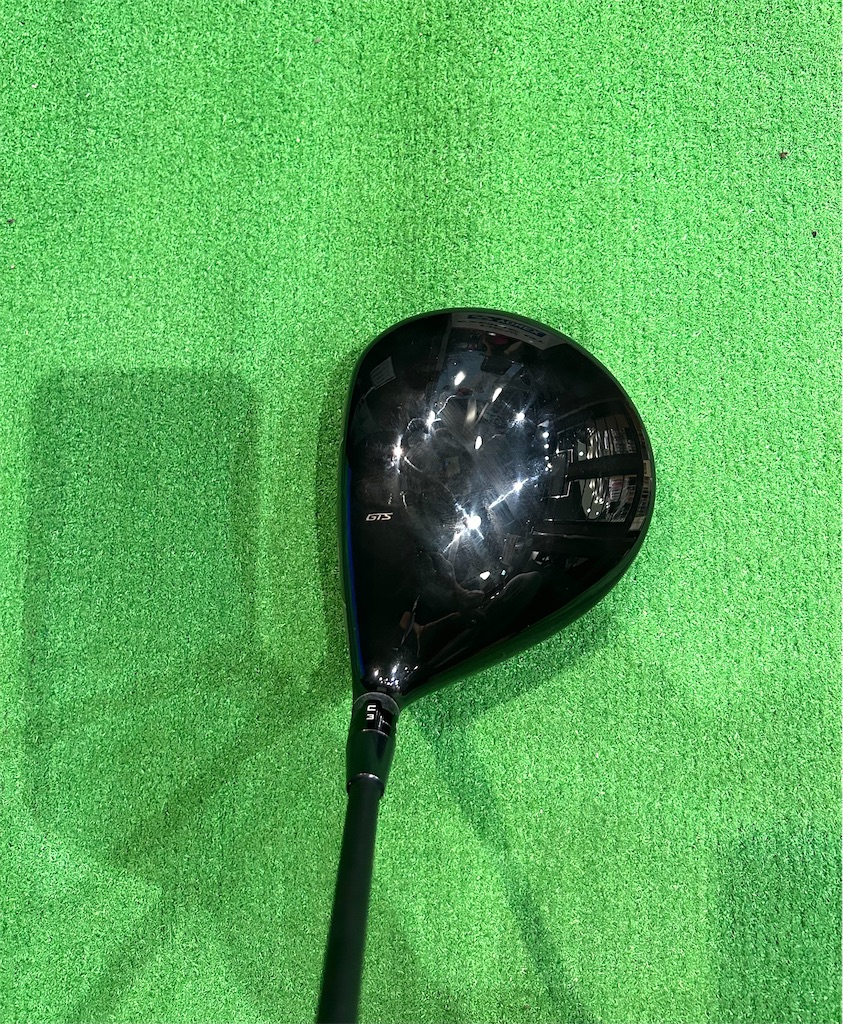
The GTS 3 Driver has a traditional Titleist pear-shaped head with a compact size.
When actually hitting, it provides a crisp sound and a soft feel.

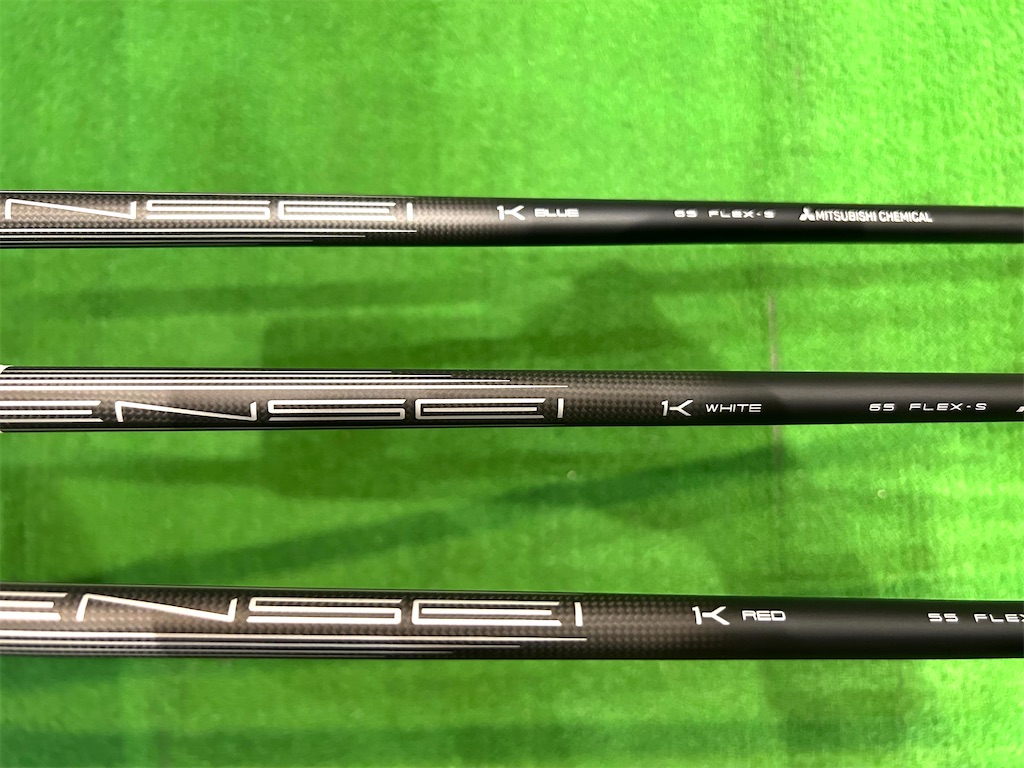
Mitsubishi Tensei 1K Blue RIP
f:id:golfpowers:20260520130116j:image

Test hit specification: 65 (S)
Weight: 68 g    Torque: 3.9    Mid flex
The Mitsubishi Tensei 1K Blue RIP, the official shaft used by Titleist in Japan, has a mid-level flex which makes it easy to find the right timing and offers a quick rebound with a draw bias.
It pairs well with any head and makes heavier, fade-biased heads easier to swing.
As a shaft positioned in the mid-performance range, it is an easy-to-use model for a wide variety of users.
I highly recommend giving it a try!
 

PRGR 01 Iron review(2026)

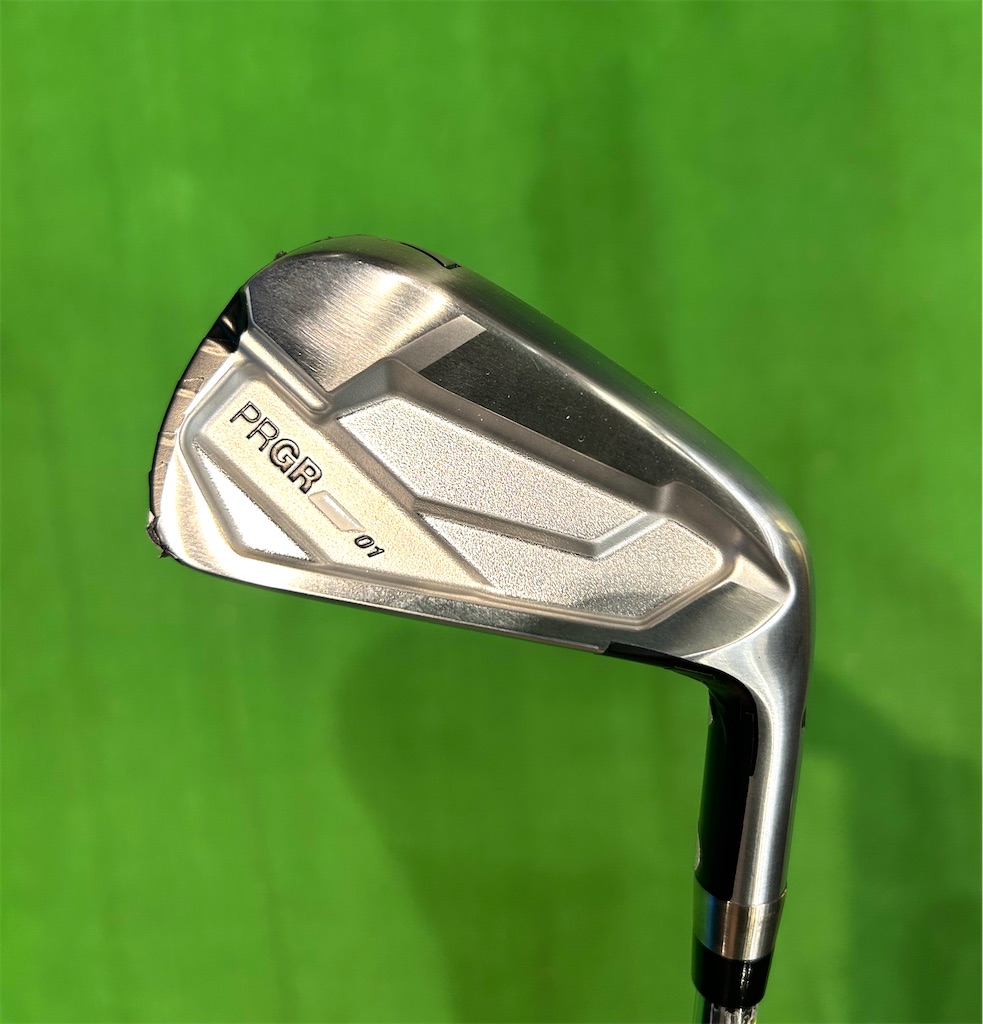
The 2026 model PRGR 01 Iron has been renewed as a flagship model, offering both improved playability and a better feel.
I would like to review what kind of evolution the new 01 Iron has undergone.


PRGR 01 Iron

f:id:golfpowers:20260424134959j:image

f:id:golfpowers:20260424135009j:image

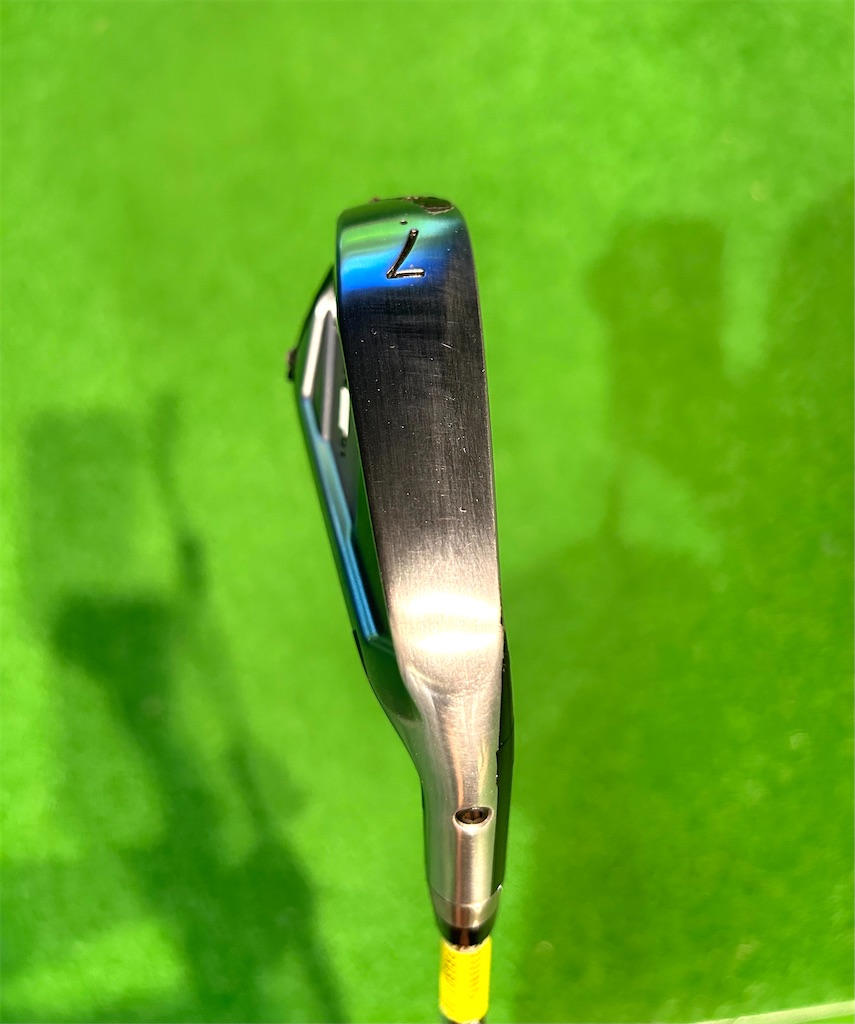
Test Club: 7-iron, Loft 32°
Shaft: MODUS 115 (S)
The PRGR 01 Iron has been known in Japan for its high-precision performance across all previous models, and on the Japan Tour, professional golfer Tomoharu Otsuki favors it for its excellent control.
The 2026 model 01IRON aligns the impact point with the center of gravity that users envision, enhancing shot accuracy, while also thickening the striking area to provide a softer feel.
Furthermore, the 01IRON has been improved with a shorter face length and a straighter leading edge.
When actually hitting it, I felt a solid impact and an ease in achieving high-spin trajectories.
The 01 Iron is more playable than its sibling model, the 02 Iron, and is designed for intermediate to advanced players, but I felt it is not particularly difficult to use and has a moderate level of forgiveness.
In Japan, there is also a great campaign where you can get one club free if you custom-order a set of six irons from this series, so if you are interested, be sure to check it out.

Features of 01 IRON

[Half-Moon Sole Design]
By varying the amount of material removed on the leading side of the sole for each club number, it has become possible to achieve stable ball contact that doesn't easily dig in at the leading edge and has good release across all club numbers.
[Power Impact Cavity Design]
By making the impact area thicker than the previous model, it achieves a more solid and substantial feel.
[Center of Gravity Design to Improve Maneuverability]
The center of gravity is positioned slightly towards the heel from the center to align with the striking point of athlete golfers.

Design and Feel

f:id:golfpowers:20260424134935j:image

f:id:golfpowers:20260424134945j:image
When you address a 01 iron, it has a compact shape that suggests a high level of maneuverability, but the blade has an appropriate thickness, giving a forgiving design. In actual play, it has a solid feel with some softness, and personally, I felt a feel close to Yamaha's tour model. The face length is shorter than the previous model, resulting in an even straighter leading edge. The connection from the neck to the face has been given more volume, improving its appearance so it is less likely to hook. Please, give it a try!


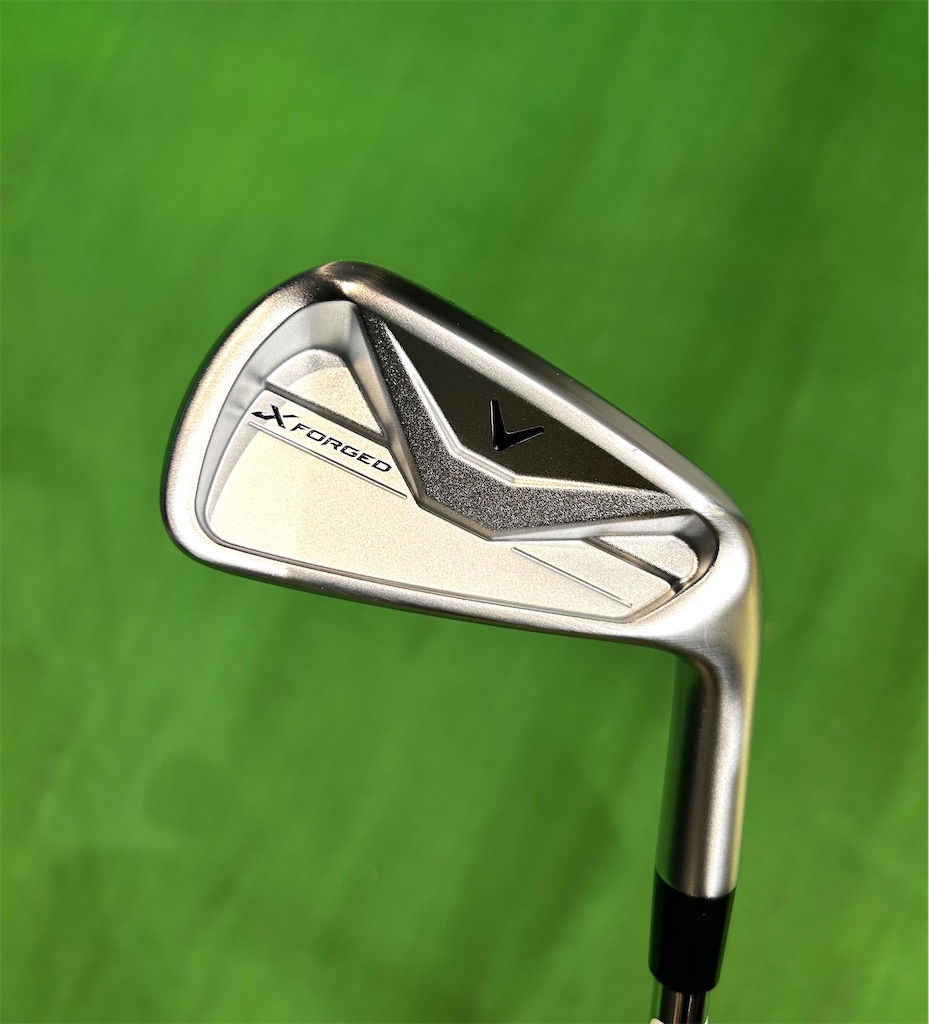
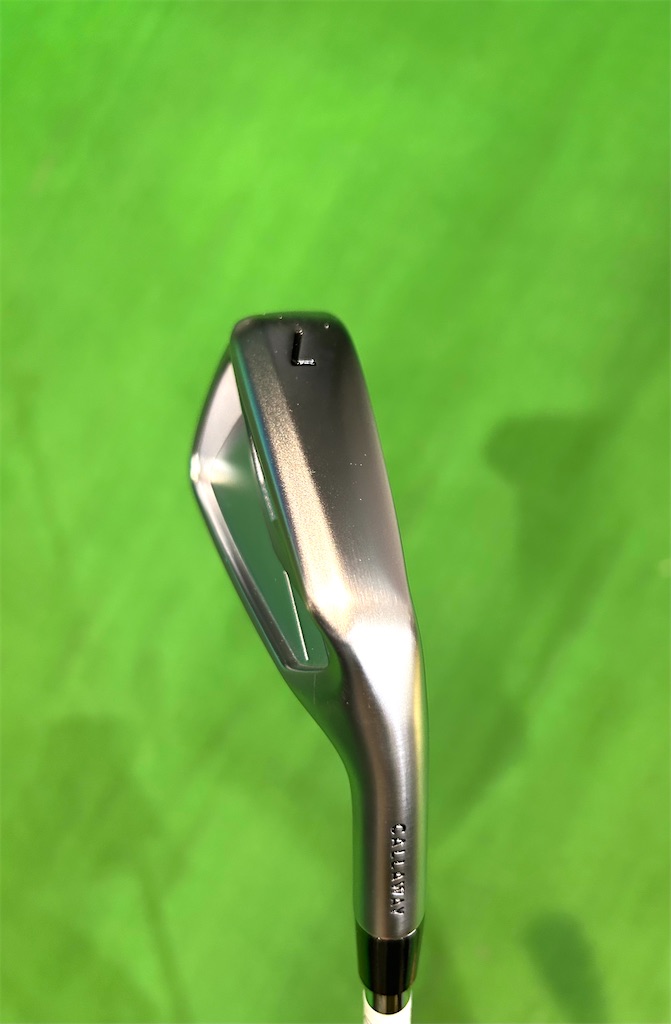
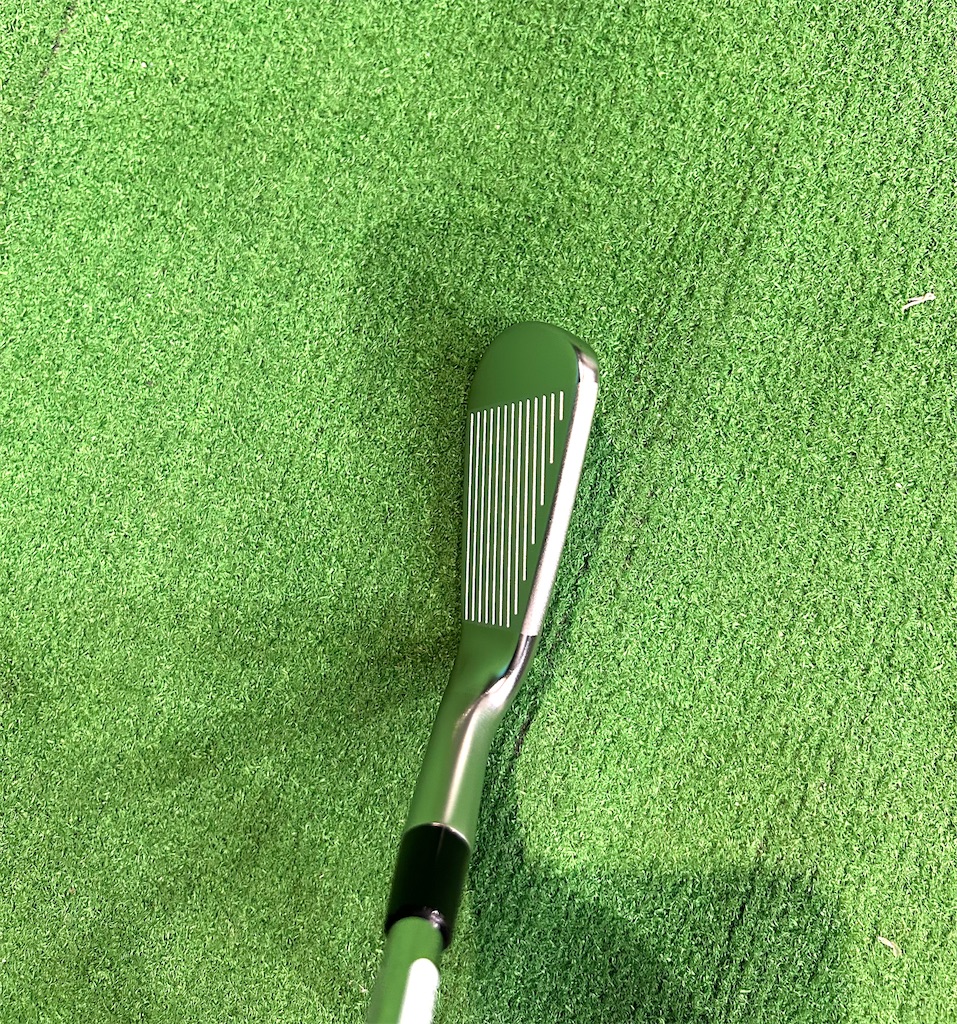
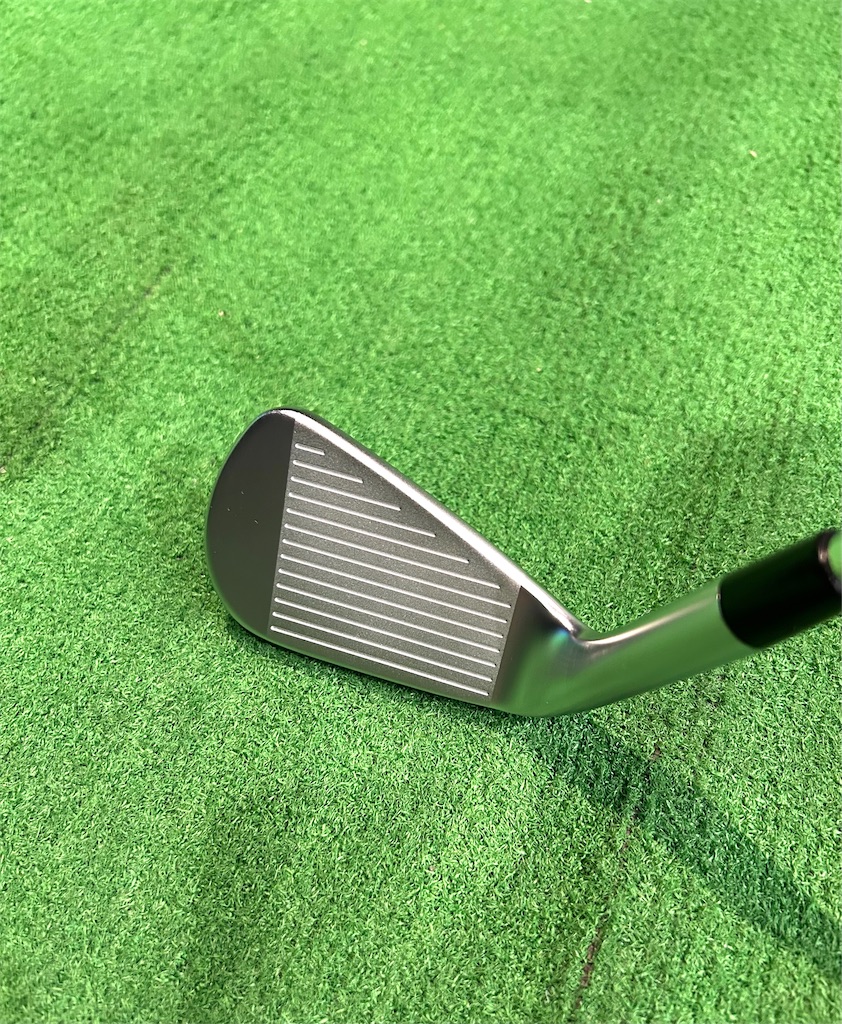
Callaway X FORGED Iron review 2026

The 2026 model Callaway X FORGED iron pursues ease of use for each club number with a design specific to each number, which was not available in the previous model, and by changing the head material, it creates an even better feel.
I would like to review the performance of the newly updated X FORGED iron.


X FORGED Iron

f:id:golfpowers:20260323124242j:image

f:id:golfpowers:20260323124251j:image
Test club: 7-iron, loft 33°
Shaft: MODUS 105 (S)
In the renewed X FORGED irons, the number-specific design has evolved further. As the loft increases, the blade length is shortened at a consistent ratio, allowing players to visually feel confidence, ease of setup, aimability, and high manipulability for each club number.
The top blade remains thin, and the offset is modest, but the amount of offset is gradually reduced as the club number increases.
When actually hitting, it demonstrates high manipulability and smooth swing-through, and as a model for advanced players, it also offers a high level of forgiveness against mishits.
In the testing room, the distance performance measured a total of 155 yards according to the loft.
The X FORGED iron makes it easy to vary the trajectory, and since the ball flight changes depending on the entry of the head, the X FORGED STAR iron is recommended for users seeking greater forgiveness.

Design and Feel

f:id:golfpowers:20260323124230j:image
f:id:golfpowers:20260323124226j:image

The 2026 model X FORGED irons have changed the head material from S20C to S15C.
Because S15C has lower hardness, the feel and sound of impact are softer and give a more solid sensation compared to the previous model.
Following the previous model, the compact head and thin, sharp topline continue to be used, but this time, the blade length has been reduced as the loft increases, making the design more carefully considered for each club.
The triangular thickness on the back face and the beveling on the sole also follow the basic design of the previous model, while the shapes have been refined.
Among models for advanced players, the X FORGED irons have relatively thick head shapes, so I think they offer both forgiveness and a satisfying impact.
Please try them out at least once!


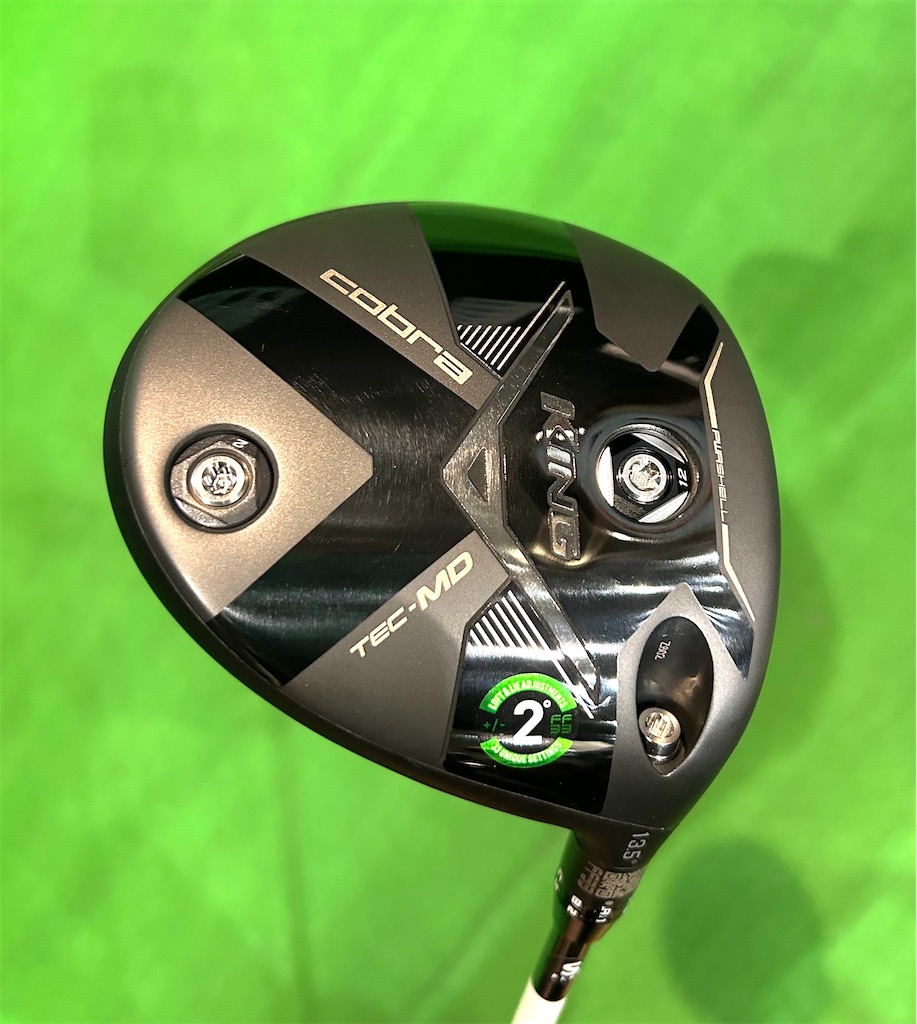
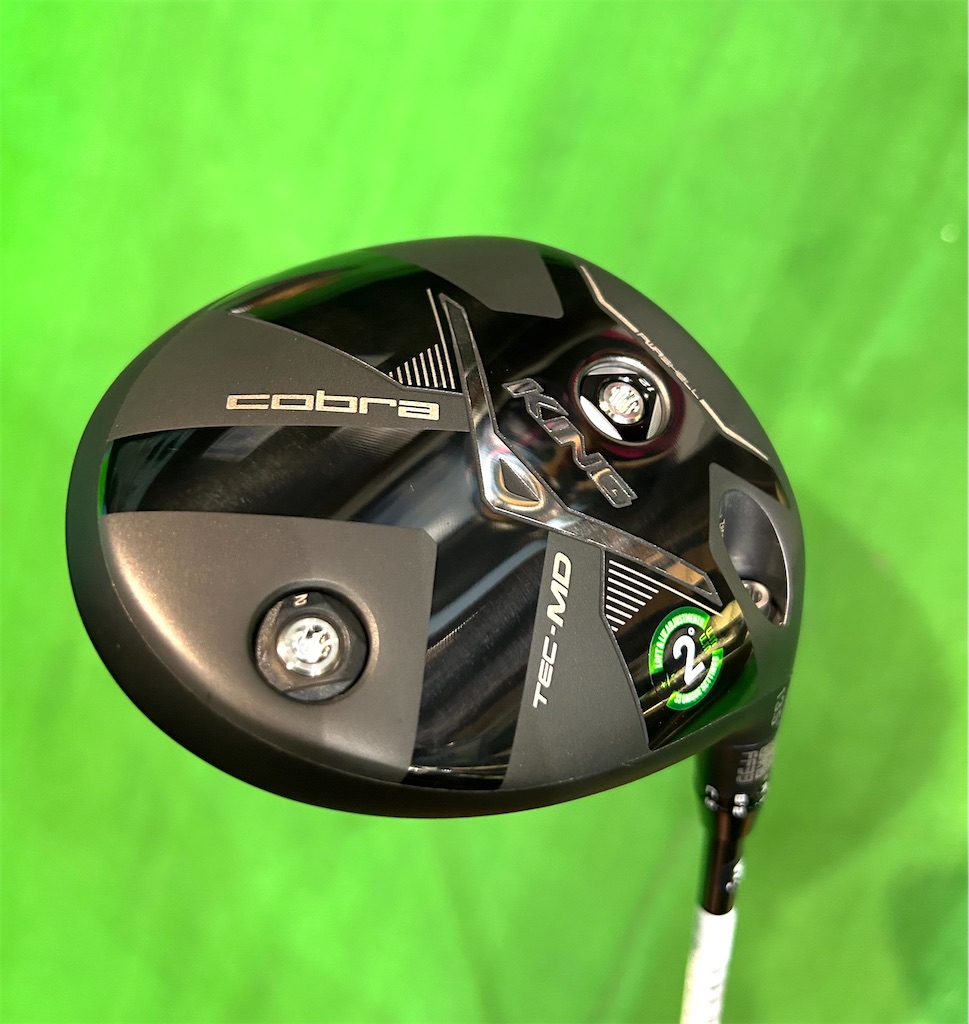
Cobra KING TEC-MD Mini Driver review(2026)

The 2026 model KING TEC-MD mini driver is introduced with a compact head size, high control performance, and a wide range of adjustability. I would like to review what kind of performance Cobra's KING TEC-MD mini driver offers.


Cobra KING TEC-MD Mini Driver

f:id:golfpowers:20260310124352j:image

f:id:golfpowers:20260310124359j:image
Test Club: Loft 13.5°
Shaft: LINQ (S)

The KING TEC-MD features Cobra's unique adjustable hosel, which offers a very wide range of adjustments (weight placement and setting flexibility) for a mini driver. Its basic design combines a titanium body with a lightweight carbon crown, positioning the center of gravity low. As a result, it makes it easier for the mini driver to achieve a stable launch and provides forgiveness beyond the head size.

In actual play, it felt that the neutral head behavior made it easy to hit high-trajectory draw shots. The KING TEC-MD produces a slight draw even with a strong swing, making it an ideal mini driver for users who want to control the draw.

In a hitting room, it demonstrated high distance performance, with an average spin rate of 2700 rpm, making it easy to hit high trajectories. Many other manufacturers also release mini drivers, but the 303cc head of the KING TEC-MD is not as challenging as Titleist's GT280, and it is not as draw-biased as Callaway mini drivers, offering balanced usability and performance.

Design and Feel

f:id:golfpowers:20260310124331j:image

f:id:golfpowers:20260310124338j:image
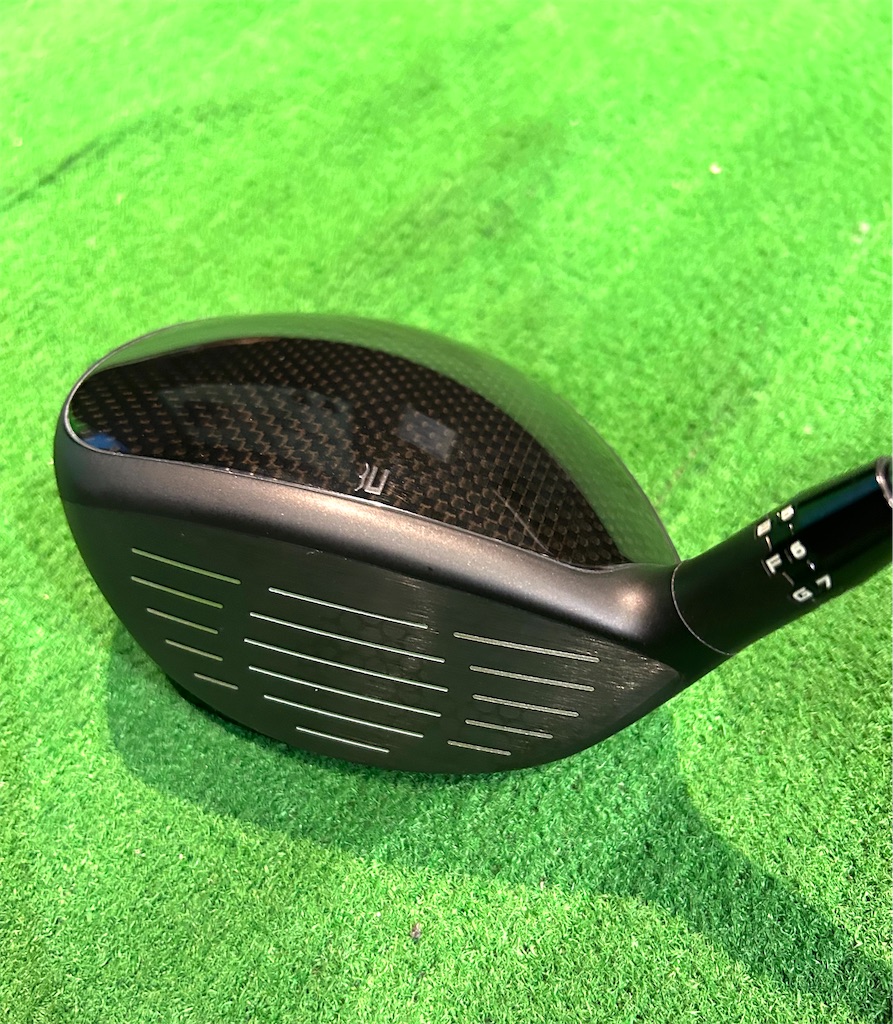
The KING TEC-MD is slightly larger than the Titleist GT280 and has a head size almost equivalent to TaylorMade and PXG mini drivers. It has a well-balanced head shape, and personally, I felt it was as easy to address as a fairway wood. In the hitting room, I felt a somewhat firm and solid impact, but it felt softer than the Cobra OPTM driver. The KING TEC-MD, like other Cobra Golf metalwoods, is equipped with the FutureFit33 hosel adjustment feature. The FutureFit33 hosel offers 33 combinations that allow independent adjustment of loft and lie angles, with up to ±2 degrees adjustment in both vertical and horizontal directions. This enables fine-tuning of launch angle, spin, and shot capture to suit the user.

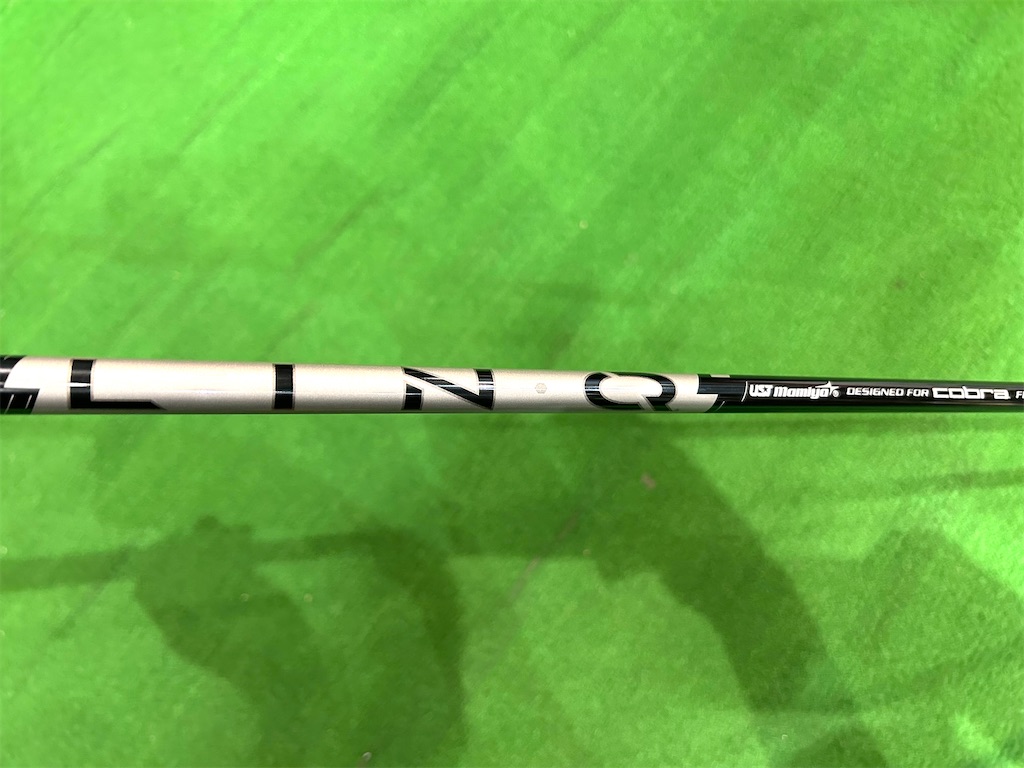
LINQ (Cobra Genuine)

f:id:golfpowers:20260310124321j:image
Test Spec: 60 (S)
The Japanese-spec genuine Cobra LINQ shaft is relatively stiff even in the 60S version. The shaft flexes naturally around the mid-hand area, making it easy to time the swing, and the tip returns swiftly. Despite being a stock LINQ shaft, it offers a flexibility and speed that is comparable to custom shafts. Be sure to give it a try!


The Mizuno JPX ONE Select Driver review(2026)

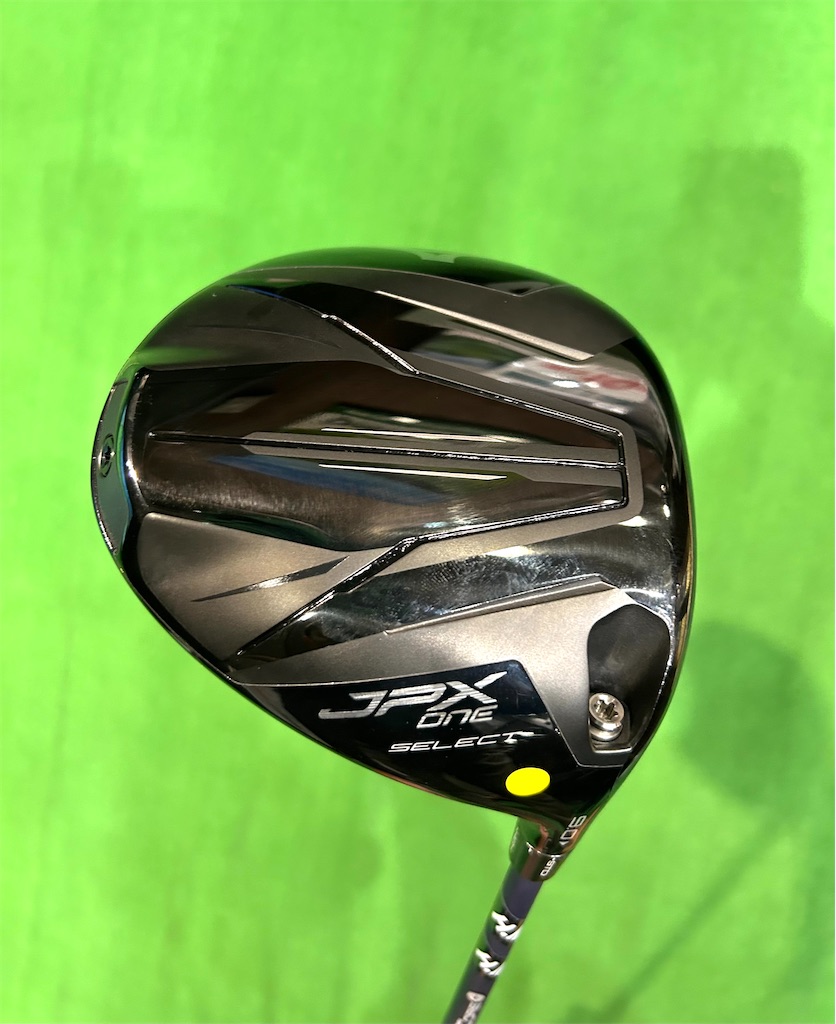
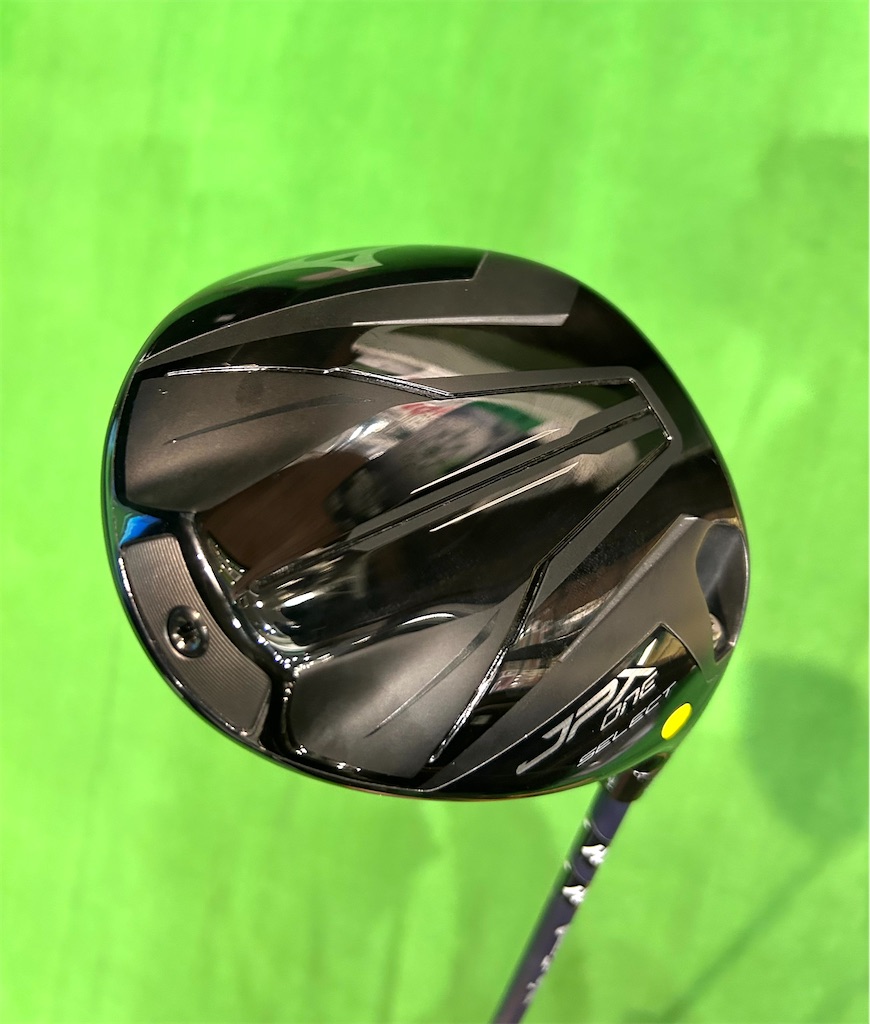
The 2026 model Mizuno JPX ONE driver series is a highly anticipated release, coming out for the first time in three years and developed despite delays. In Japan, even a month before its release, pre-orders are flooding in, and custom orders are so popular that they can only be purchased after the release. The JPX ONE series has two models, and this time, I would like to review the JPX ONE Select Driver, a compact model focused on maneuverability.


JPX ONE Select Driver

f:id:golfpowers:20260212154316j:image
f:id:golfpowers:20260212154314j:image

Test club: Loft 9°
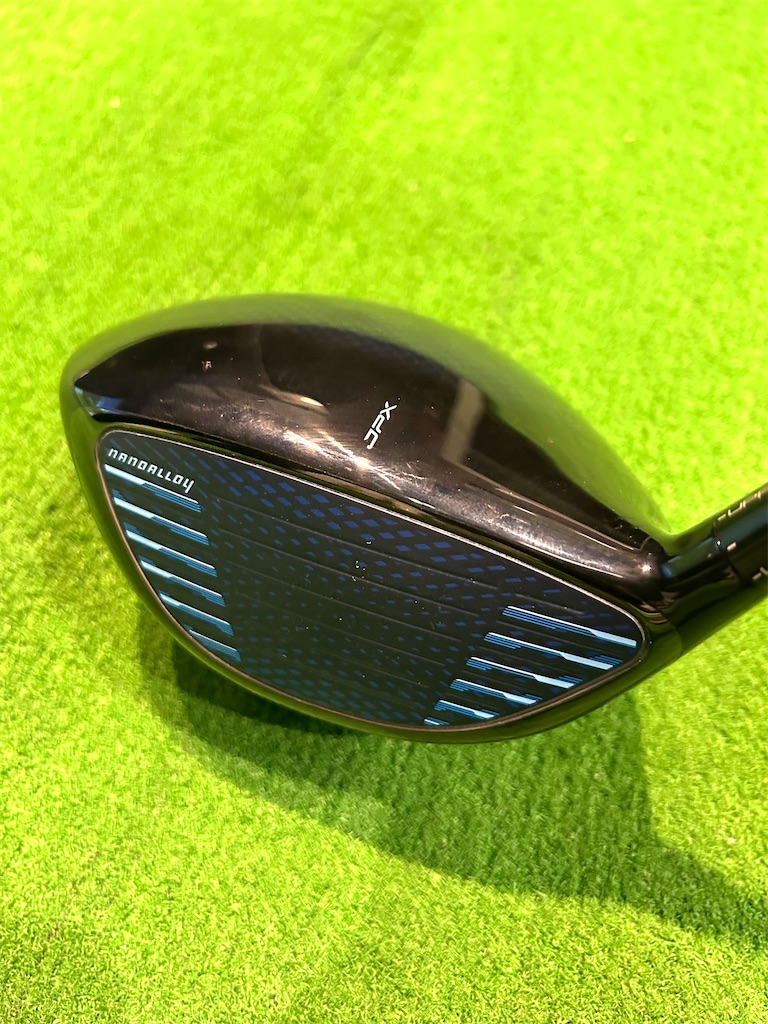
The face of the JPX ONE driver series uses a special resin material that softens upon impact, created using Toray's patented technology, rather than titanium or carbon. This NanoAlloy face is up to approximately 11% thinner compared to the previous ST-MAX model. This increases ball speed and expands the high-launch area. The JPX ONE Select Driver I tested is highly maneuverable, and I felt its control was on par with standard tour models from other manufacturers. Hitting in the hitting room delivered high distance performance, with an average spin rate of 2,500 rpm, which is an ideal spin amount. Its direction tends to favor slight draw shots, and I felt the ease of face rotation. While Mizuno's NanoAlloy face claims high initial ball speed, I indeed measured high ball speed values. The 9° loft I tested is suitable for achieving a mid-trajectory, mid-spin shot, making it a recommended model for users who want to control their driver while keeping their shots restrained. For users who want to easily hit high, straight shots, the standard JPX ONE driver is recommended.

Design and Feel

f:id:golfpowers:20260212154327j:image

f:id:golfpowers:20260212154333j:image

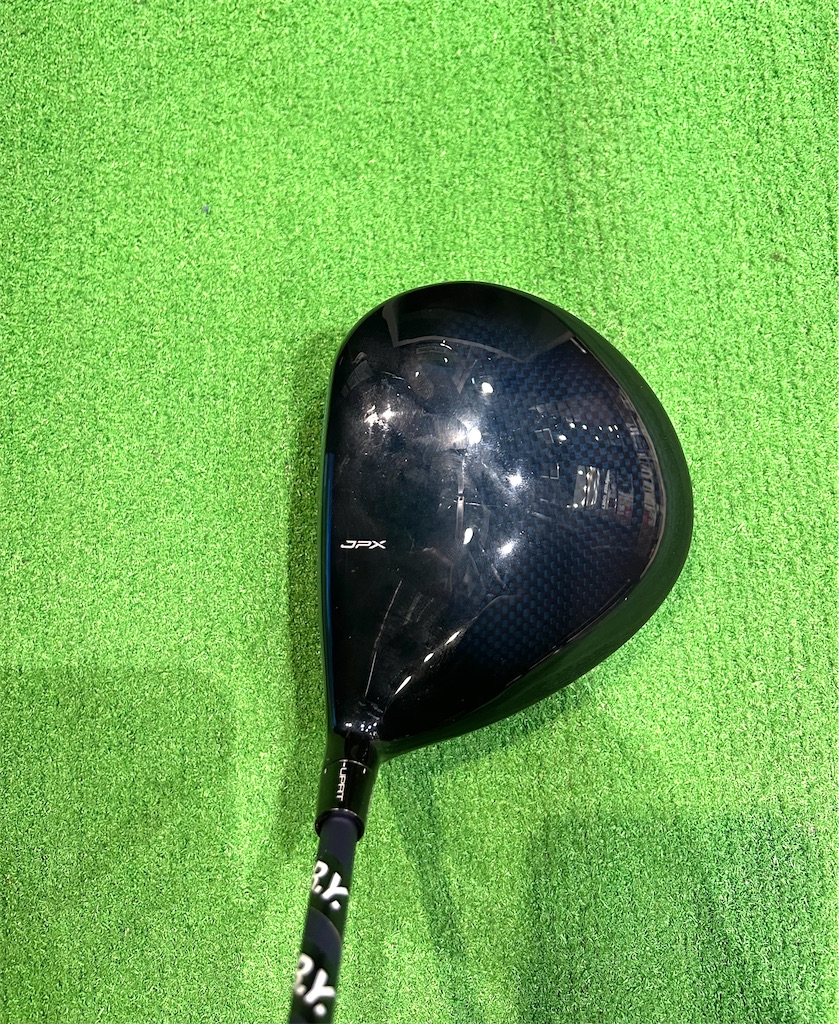
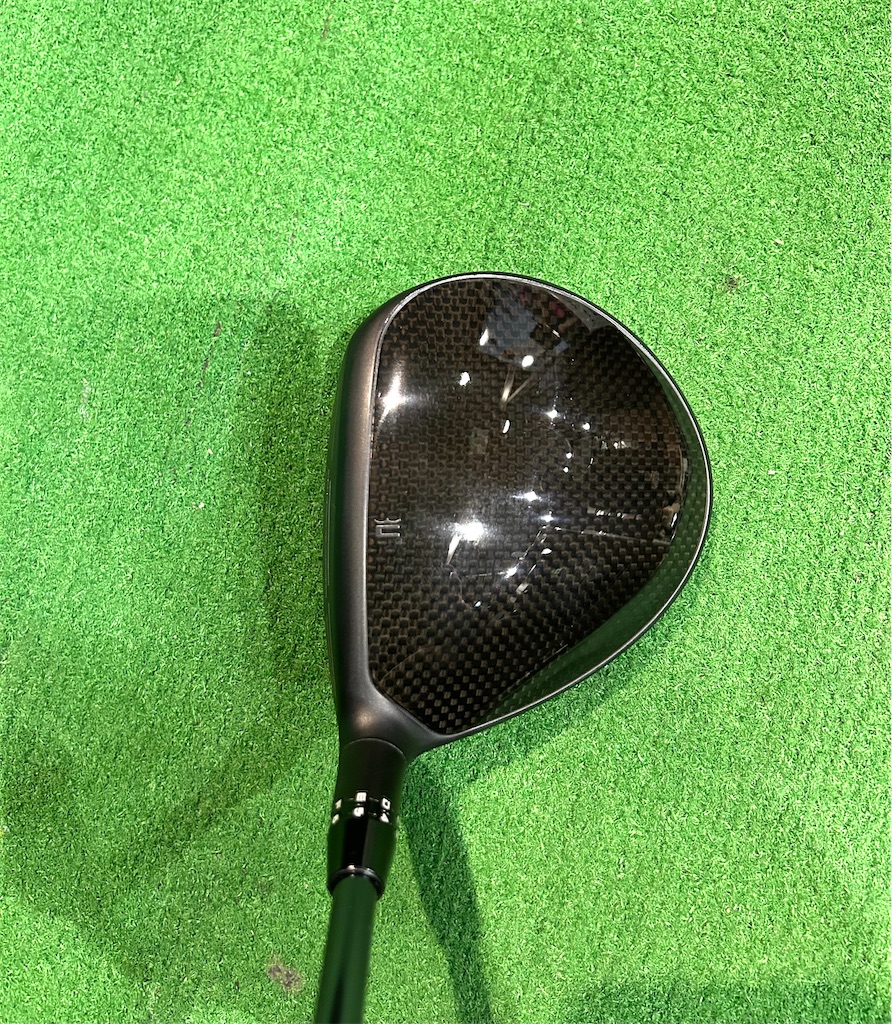
The Mizuno JPX ONE Select Driver features a traditional pear shape and a compact head size, giving it a design that feels highly manageable.
The newly developed NanoAlloy face provides a firm feel with a higher-pitched sound upon impact.
When you strike the ball in the sweet spot, there is a slight softness, but it doesn’t have the softness of titanium; rather, it leans more toward the firmer, carbon-like feel.
I definitely recommend giving it a try!
 

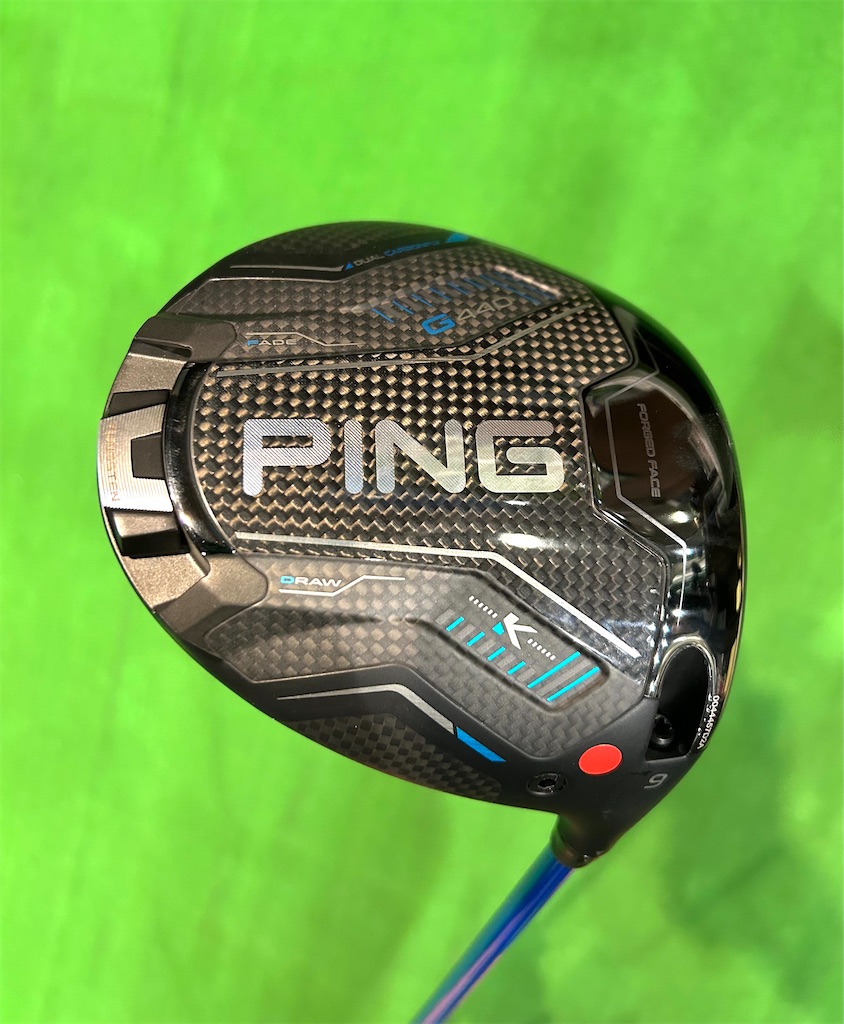
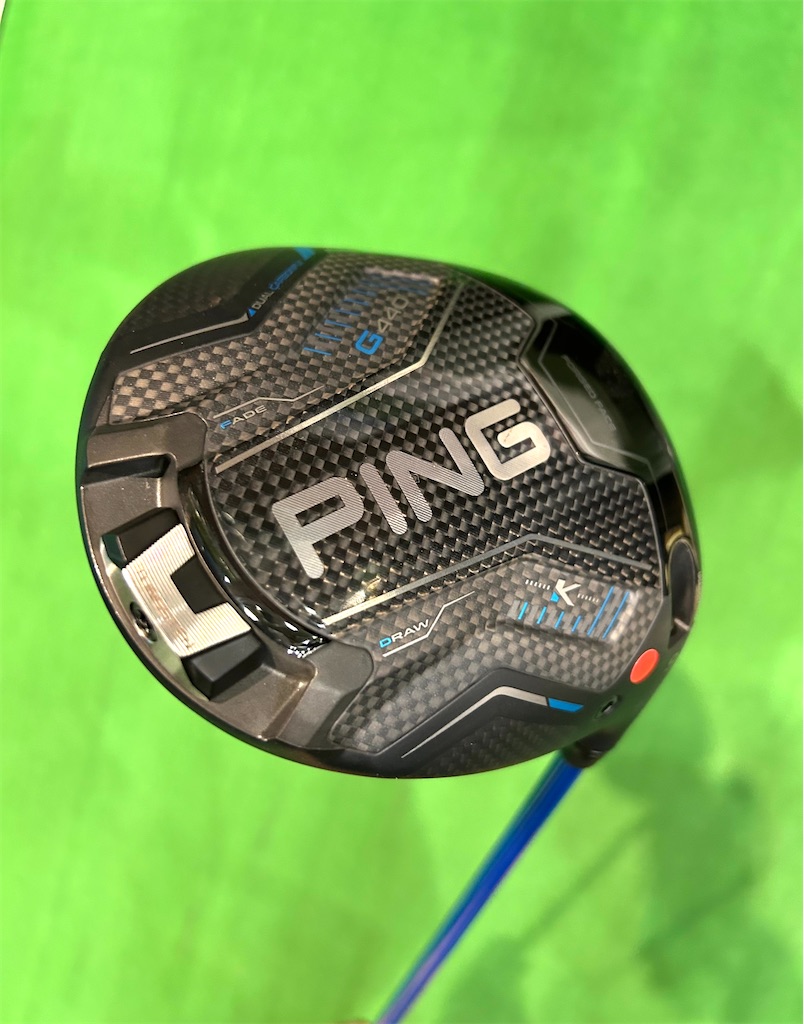
PING G440K driver review(2026)

The 2026 model PING G440K driver has been released as an evolved version surpassing the high-MOI "10K" head. In this review, we will look at the performance of the G440K driver, which has further evolved from a high-MOI head.


G440K Driver

f:id:golfpowers:20260118143045j:image

f:id:golfpowers:20260118143054j:image
Test Club: Loft 9°
Shaft: ALTA J CB BLUE (S)

The G440K driver features a new design using carbon materials in the crown and sole, with excess weight placed in the rear of the head. This construction achieves the highest MOI in PING history and results in a more stable head. The surplus weight created by the new design is positioned as a high-density weight in the rear portion of the head. Additionally, it is equipped for the first time with a trajectory adjustment function, aiming for maximum distance with a stable, precise shot.

When testing, it was observed that spin rates barely changed whether hitting a draw or fade, allowing for consistently high shots regardless of how it was struck. In the test room, even the 9° loft head measured an average spin rate of about 2,700 rpm, making it easy to extend carry distance. The G440K driver features PING’s highest MOI head to date, yet it remains reasonably easy to swing and produces stable spin rates, making it easy to achieve high trajectory shots.

Design and Feel

f:id:golfpowers:20260118143112j:image

f:id:golfpowers:20260118143122j:image
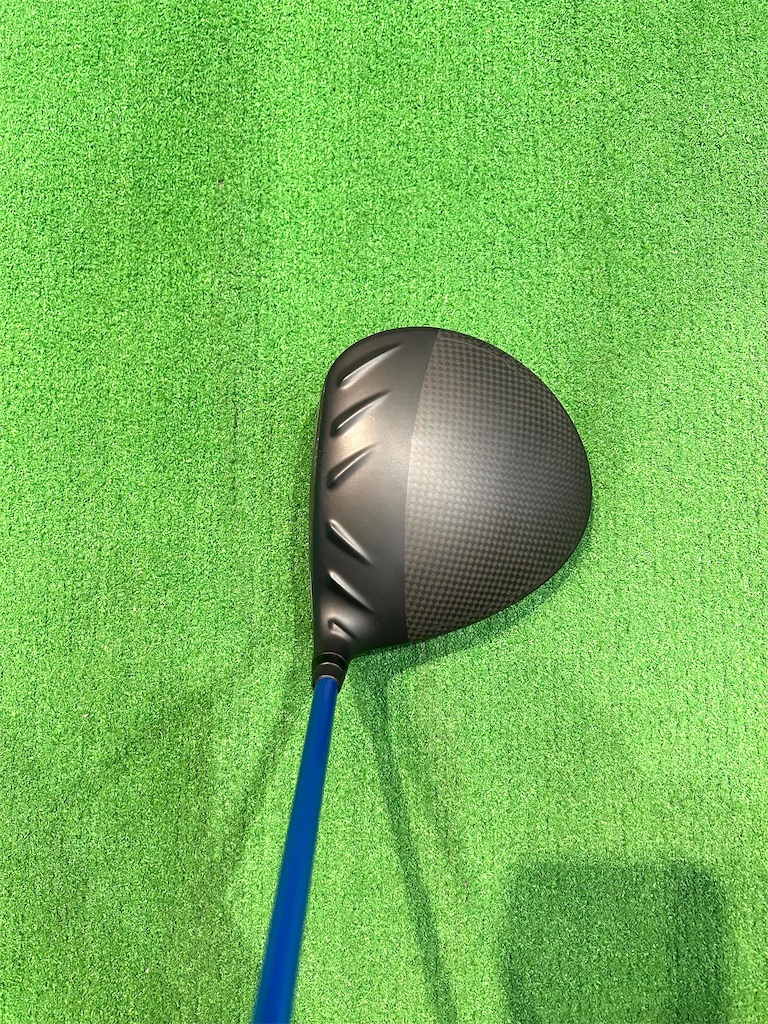
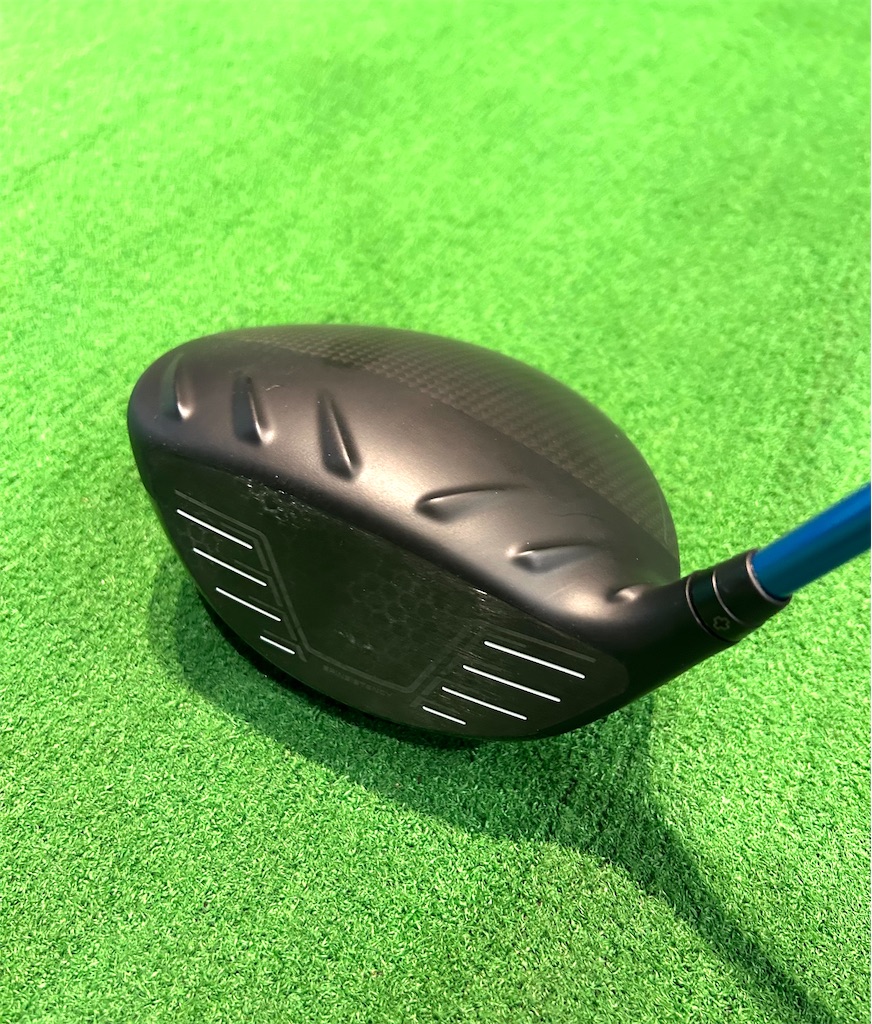
The G440K driver has a shallow shape with a large projected area, making it easy to hit high shots. Despite the large head, it feels easy to swing with a balance of responsiveness and softness. The G440K driver’s head structure is nearly full carbon, yet it retains the distinctive PING feel and swing comfort. Be sure to try it out for yourself.


TaylorMade Qi4D Fairway Wood review

The 2026 model Qi4D Fairway Wood is the standard model among the three, offering a balanced combination of maneuverability and forgiveness. In this review, I would like to examine the performance of the Qi4D Fairway Wood, which is the standard model for this release.


Qi4D Fairway Wood

f:id:golfpowers:20260114124549j:image

f:id:golfpowers:20260114124557j:image
Test Club: 5-wood, Loft: 18°
The Qi4D Fairway Wood features a basic head shape and provides the setup ease and playability expected of a fairway wood, while also offering stable distance, making it a standard model.

This model introduces a new movable "TAS Weight (8g)" in the sole, allowing users to customize it to their preferences. When tested, the shallow head made it easy to get the ball in the air and allowed for naturally straight, high shots.

Compared to the previous Qi35 Fairway Wood, it is easier to get the ball airborne, and while the previous model made it easier to hit draw shots, the Qi4D Fairway Wood has a slight fade bias, making it easier to hit straighter shots. In the testing room, the spin rate was slightly higher, resulting in higher trajectories, which might cause shots to balloon for players who generate a lot of spin.

For players who want to reduce spin, the Qi4D LS Fairway Wood is recommended.

Design and Feel

f:id:golfpowers:20260114124300j:image

f:id:golfpowers:20260114124308j:image
The Qi4D fairway wood has a shallower shape compared to its predecessor, the Qi35 fairway wood. Its shape makes it easier to pick up the ball, making it easier to hit high trajectories in practice. While the previous Qi35 fairway wood had a firm and solid feel, the Qi4D fairway wood offers a softer feel with a slightly springy sensation.

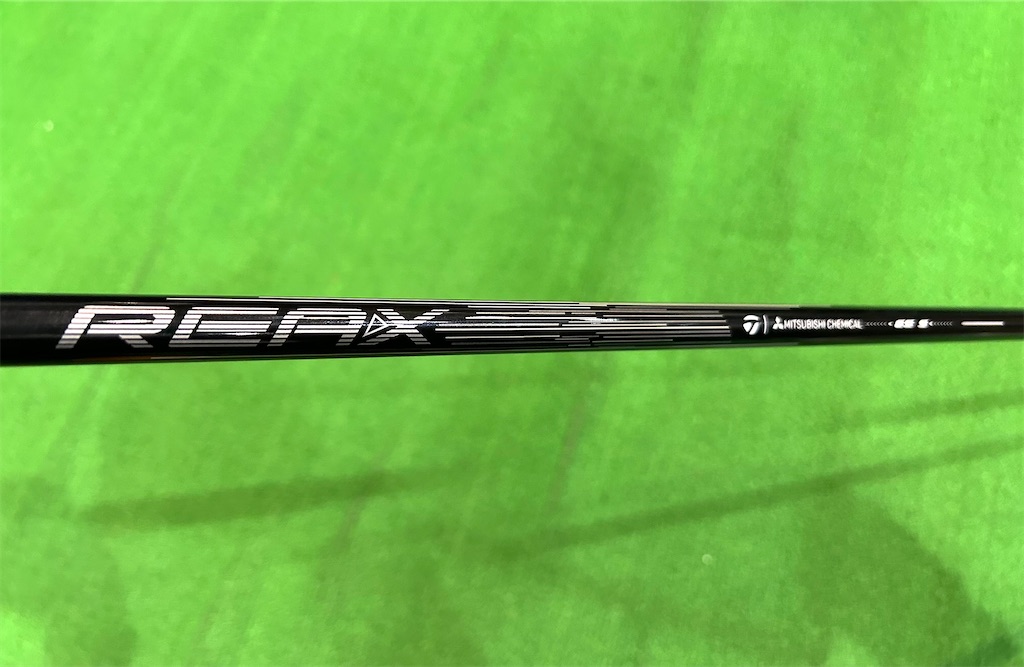
REAX 65 Japanese Model

f:id:golfpowers:20260114124247j:image

Tested Specs: 65 (S)
Weight: 62.5g | Flex: Mid
The REAX 65 shaft for fairway woods features a flexing handle and a tip that moves quickly. The Qi4D fairway wood, which allows for easy straight shots, has a moderate level of maneuverability, making it feel easy to play with when paired with the REAX 65 shaft. Be sure to give it a try!
 

TaylorMade Qi4D MAX driver review

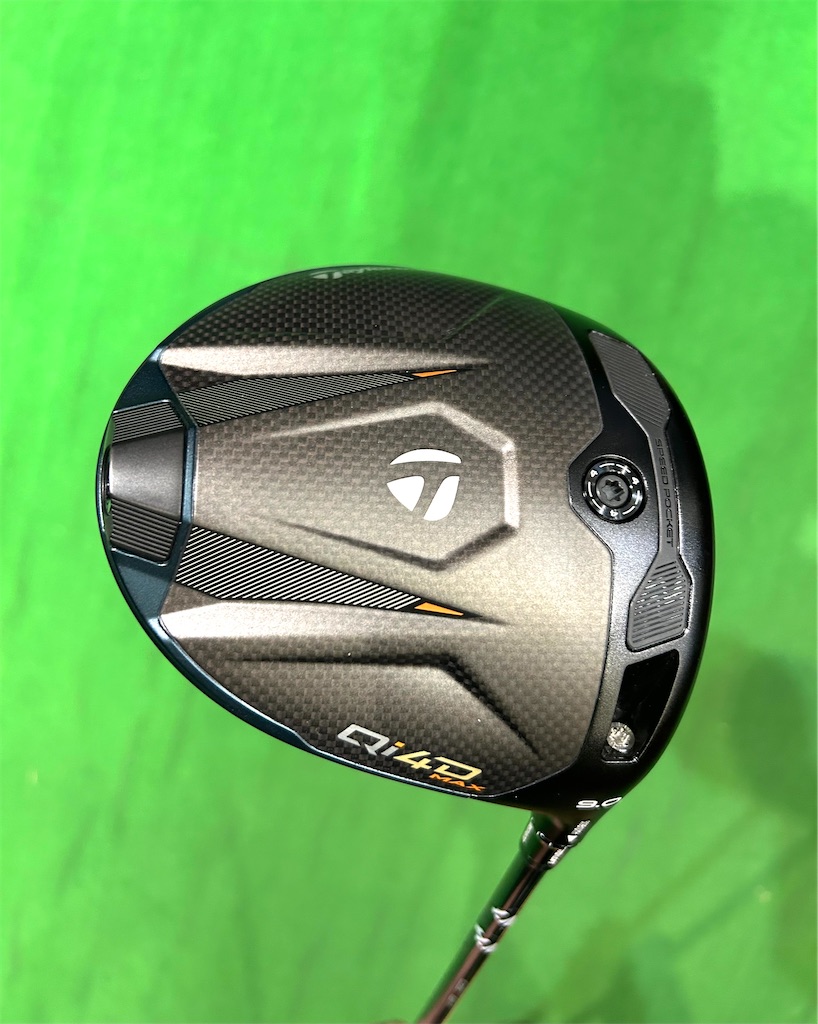
The 2026 model Qi4D MAX driver is the most forgiving model among the four, and starting with this version, it comes equipped with a weight adjustment feature, allowing for customization to suit the user. This time, I’d like to review the Qi4D MAX driver, which now has a new adjustment feature.


Qi4D MAX Driver

f:id:golfpowers:20260113151747j:image

f:id:golfpowers:20260113151756j:image
Test club: Loft 9°
The Qi4D MAX driver has evolved into the first TaylorMade model to go "titanium-free" while including adjustment features. The body, which traditionally used titanium, now uses lightweight yet durable military-grade "7075 forged aluminum."

The further weight reduction allows the driver to maintain distance while adding the new adjustment feature, achieving high forgiveness and a straight flight path. When hitting the Qi4D MAX driver, it’s easy to achieve a high ball flight. Even with a 9° loft, the spin rate measured an average of 2,550 rpm.

The test head had the weight positioned toward the back, which resulted in a higher spin rate and a slower-feeling head movement, but putting more weight toward the front should increase control and reduce spin.

The Qi4D MAX driver allows for stable head behavior and naturally hitting a draw, making it a recommended model for users who want to hit driver shots more easily. For the first time in the MAX series, it comes with a movable “TAS weight.” By adjusting the two weights at the front and back of the head (13g and 4g), players can fine-tune control, ball launch, and spin.

This MAX driver features a head with inertia kept below 10K rather than being excessively high, which should make it easier to handle even for users who might find the standard models challenging.

Design and Feel

f:id:golfpowers:20260113151821j:image

f:id:golfpowers:20260113151828j:image
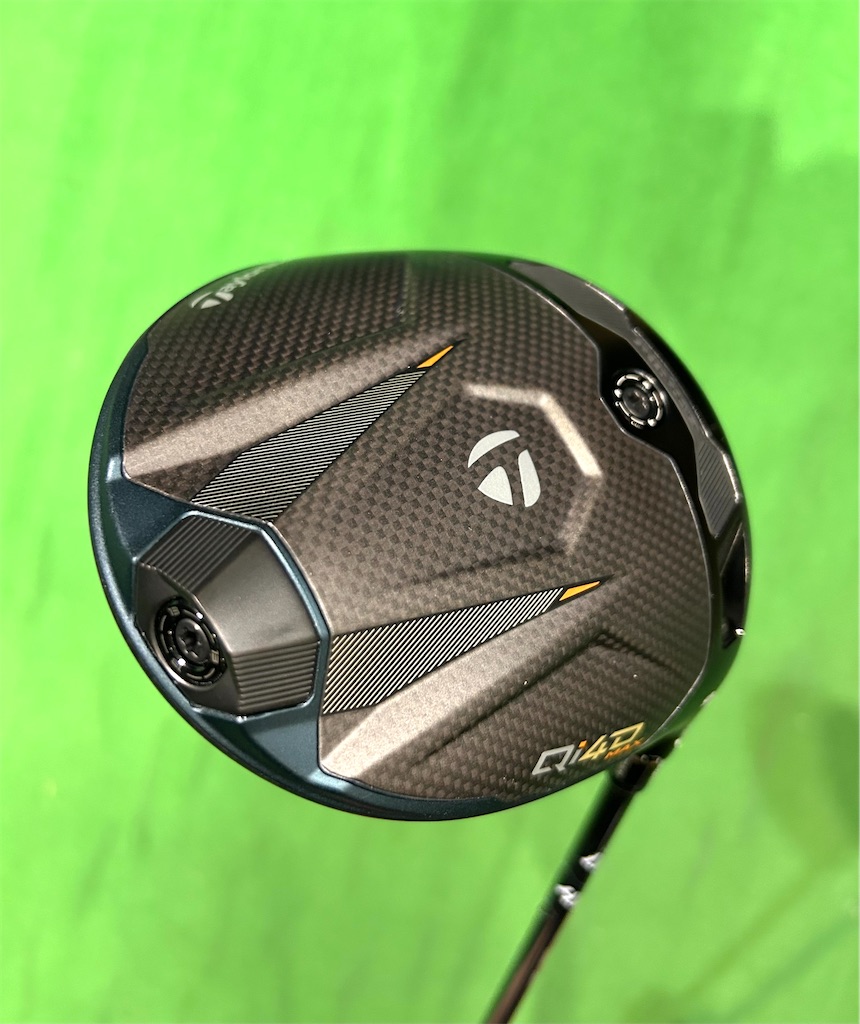
The Qi4D MAX driver features a design that extends to the back of the head and has a shallow head, giving it a high level of forgiveness.
The head movement is automatic, but the light swing weight allows for easy head turn, which feels very comfortable.
The Qi4D MAX driver provides a hitting sensation with a slightly more responsive ball release.
The Qi4D driver series has newly adopted a face roll design with a slight curvature along the vertical axis of the face.
This design is intended to reduce spin variation caused by hitting off-center on the face and improve trajectory stability.

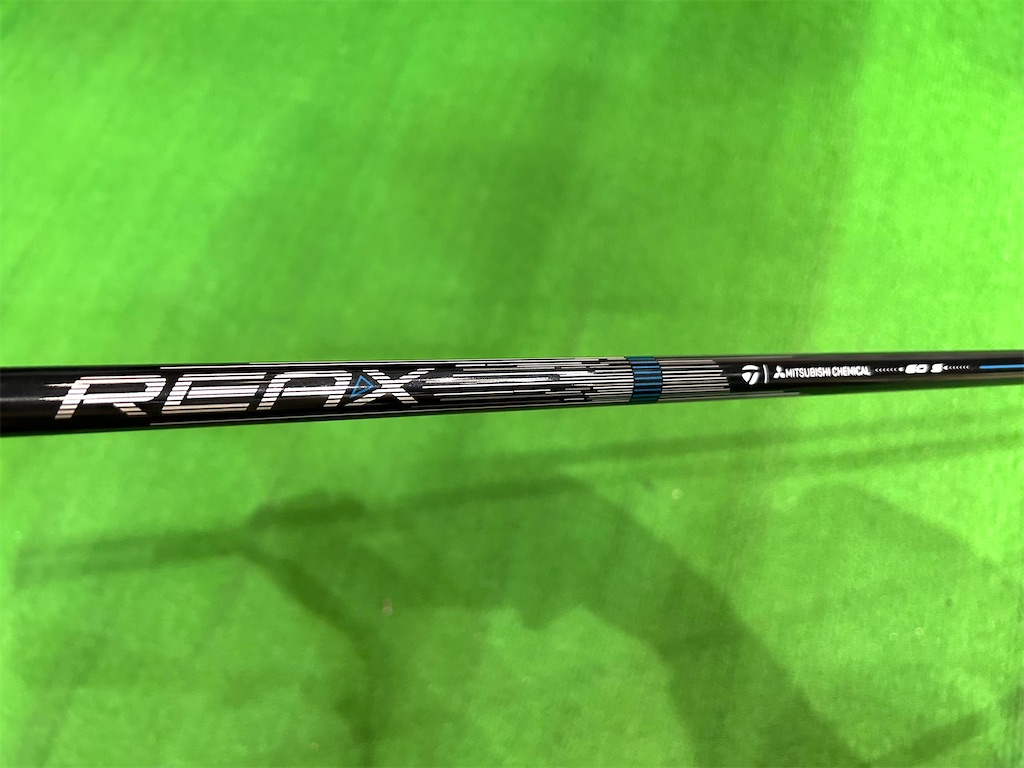
REAX 60 Mid Rotation Blue Japanese Model

f:id:golfpowers:20260113151926j:image
Test Specs: 60 (S)
Weight: 60.5g Stiffness: Mid
When hitting the REAX Blue, you can feel a bend at both the grip and the tip, but it offers a relatively firm feel compared to OEM shafts.
The shaft bends in the middle and returns quickly, giving a behavior similar to the Tensei Pro Blue.
The REAX Blue is a shaft that provides a little extra power near impact, making it recommended for users looking for a draw trajectory.

Please give it a try at least once.


TaylorMade Qi4D LS driver review

The 2026 model Qi4D driver series has been attracting attention as contract professionals like Rory McIlroy and Schauffele have been putting them into play early on.
Among them, the Qi4D LS driver has been adopted by Tommy Fleetwood.
This time, I would like to review the Qi4D LS driver, which offers the highest maneuverability, low spin, and is specialized for distance performance.


Qi4D LS Driver

f:id:golfpowers:20260112200930j:image
f:id:golfpowers:20260112200933j:image
Test club: Loft 9°
The Qi4D LS driver is equipped with two adjustable TAS weights (15g, 4g).
By changing the position of the front and back weights, you can fine-tune the maneuverability, ball launch, and spin rate.
In the testing room, I tried hitting with the 15g weight on the face side, and found that it was easy to hit a low-spin trajectory with the excellent maneuverability characteristic of the LS model, achieving an average spin rate of 2000 rpm with a strong trajectory.
Compared to the standard Qi4D driver, which I hit at the same time, it has significantly higher maneuverability, making it a recommended model for users who want to control their driver shots.

The Qi4D LS driver has agile head movement, making it easier to turn the head near impact, which allowed for increased head speed and more distance even with the stock shaft.
The Qi4D LS driver's moment of inertia is slightly lower, around 7000, so you can feel that it emphasizes a lighter, easier-to-swing feel rather than head stability.

Design and Feel

f:id:golfpowers:20260112200947j:image

f:id:golfpowers:20260112200955j:image
The Qi4D driver newly adopts a face roll design with a slightly rounded vertical axis on the face.
It is designed to suppress variations in spin caused by off-center hits on the upper and lower parts of the face, improving trajectory stability.
The Qi4D LS driver features a sleek, pear-shaped design typical of a tour model, giving it a compact look.
The improved carbon face provides a soft feel with minimal impact rebound.

REAX 60 Low Rotation White (Japanese Model)

f:id:golfpowers:20260112201006j:image

Tested Specs: 60 (S)
Weight: 62.5g   Stiffness: Hard
The new “REAX™” shaft, developed in collaboration with Mitsubishi Chemical for the Japanese model, is a new concept shaft created to match different levels of face rotation according to user preferences.
There are three different stock shaft types with characteristics labeled “HR,” “MR,” and “LR.”
The 60g lineup of REAX shafts is available only in White and Blue, while Red is limited to the 50g range.
Among them, the stiffest REAX White, when tested, had such high rigidity that it seemed harder than an S-flex, nearly comparable to an X-flex shaft.
It is a stiff shaft typical of Mitsubishi Chemical, giving a feeling somewhat similar to a more robust version of the Tensei Pro White.
This shaft is recommended for users who prefer a stiffer handle feel.
Be sure to give it a try.


TaylorMade Qi4D driver review (Standard Model)

The 2026 model Qi4D driver series has attracted attention as contract professionals McIlroy and Scheffler quickly put it into practical use. The Qi4D driver is said to reduce spin when hit on the heel side and to stabilize the ball flight, but among them, I would like to review the standard model, the Qi4D driver. 


Qi4D Driver (Standard Model)

f:id:golfpowers:20260110075044j:image
f:id:golfpowers:20260110075047j:image

Test Club Loft: 9°
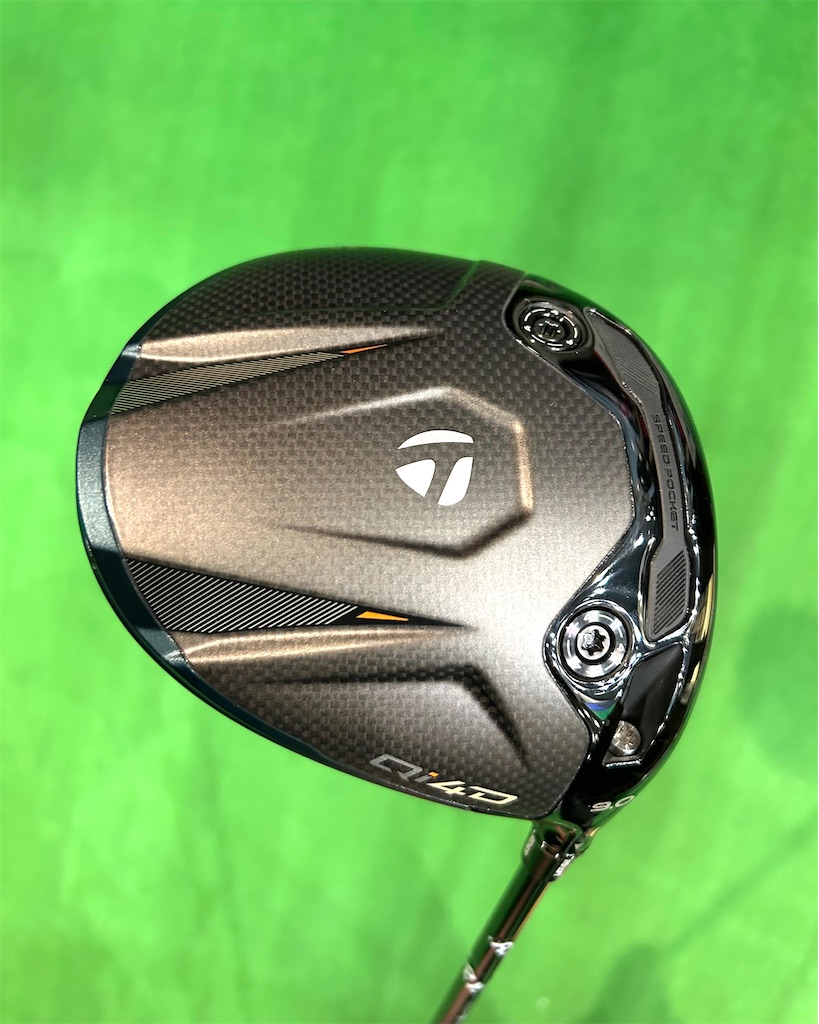
The Qi4D driver is a highly anticipated product that Scheffler and McIlroy started using early, despite not using the Qi35 driver. The Qi4D driver is equipped with four movable TAS weights (9g × 2, 4g × 2). This weight configuration is the same as the R7 Quad Mini Driver, enhancing the stability of the head movement and allowing a wide range of adjustments. 

Actually hitting it, I felt a sense of stability typical of a standard model along with moderate maneuverability. Its straightforward behavior allows for a quick head turn around impact, which I found to be a great feature. In the testing room, it was easier to increase head speed compared to other drivers, and it had the performance to easily hit high, straight shots automatically.

While it does not offer the same level of maneuverability as the Qi4D LS driver, I think it is easy to handle for users who prefer to control the opening and closing of the clubhead during swings. The Qi4D driver has a fade bias, but even if the ball transitions from straight to fade, the spin remains low, making it a model with high distance performance.

Design and Feel

f:id:golfpowers:20260110075105j:image

f:id:golfpowers:20260110075111j:image

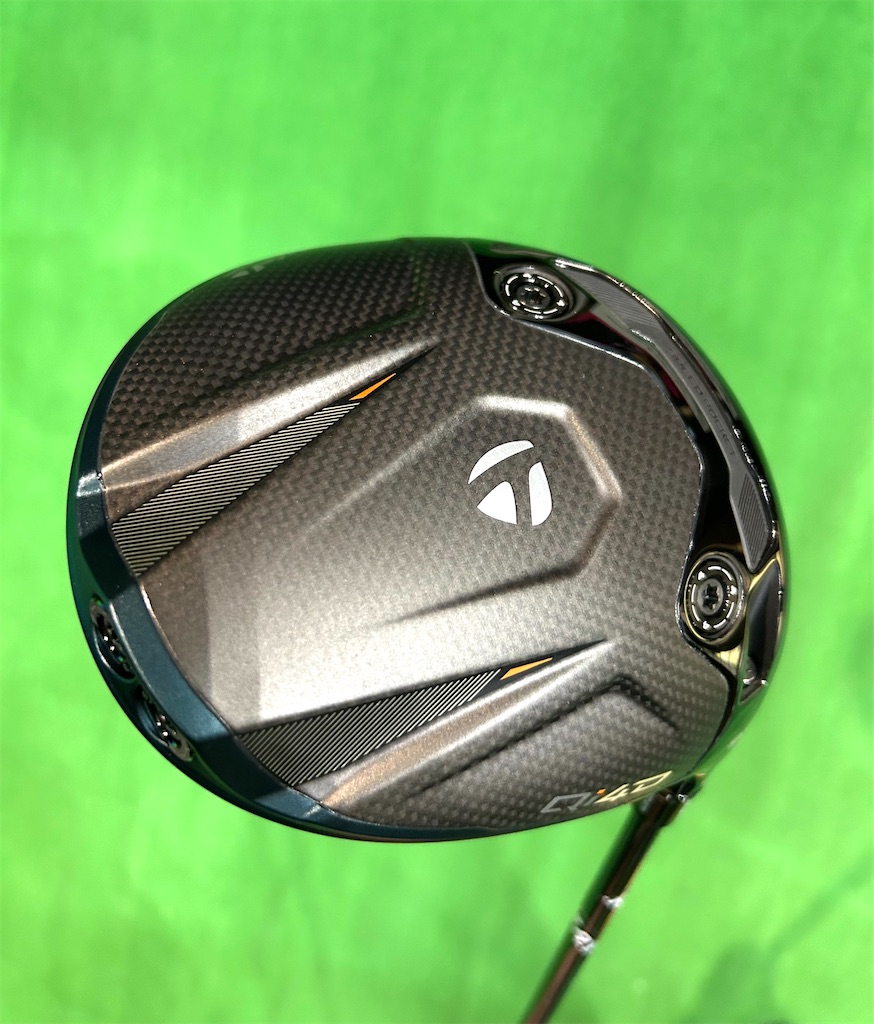
The previous model, the Qi35, had a round shape, but the new Qi4D features a sleek pear-shaped design.
It is closer in shape to the Qi10, which was highly supported by tour professionals, and I feel that it has become easier to achieve high distance performance and stable ball flight.
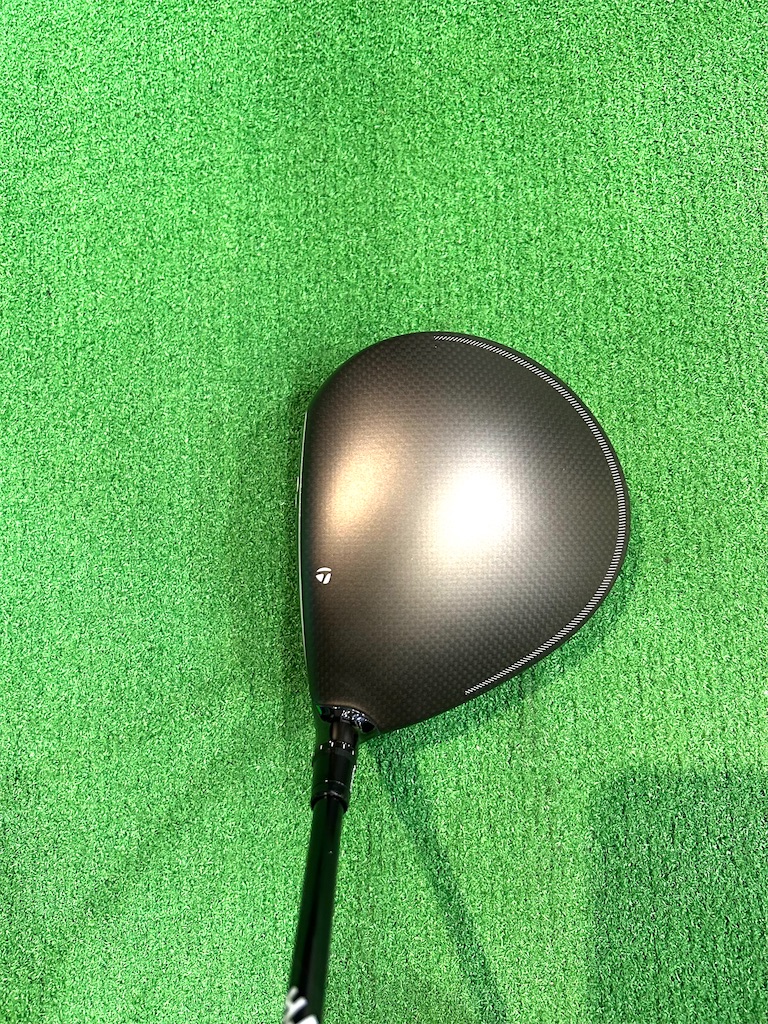
The Qi4D driver adopts a new face roll design with a slightly curved vertical axis on the face.
This design is intended to reduce variations in spin caused by off-center hits and to enhance the stability of the ball flight.
The face of the Qi4D driver has been improved, resulting in a softer feel compared to the previous model.

REAX 60 Low Rotation White (Japan Model)

f:id:golfpowers:20260110074923j:image

Test Spec: 60 (S)
Weight: 62.5g   Rigidity: Hard
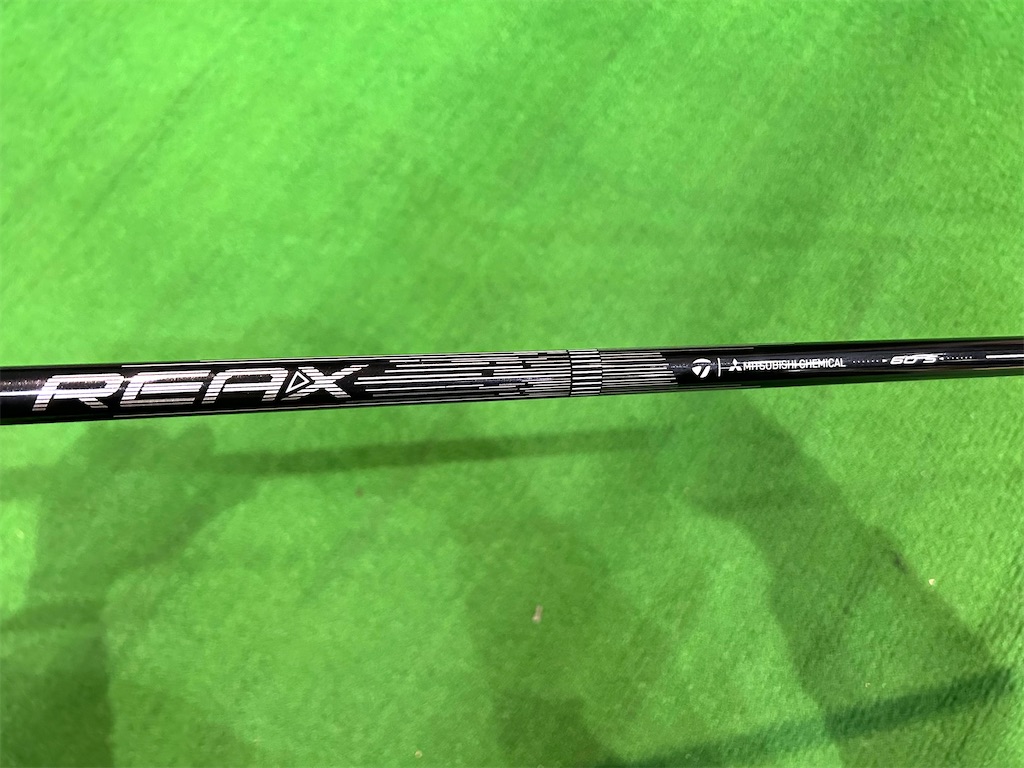
The new REAX™ shaft, developed in collaboration with Mitsubishi Chemical, is a new concept shaft designed to match the degree of face opening and closing for different users.
There are three genuine shaft types available, each with different characteristics: HR, MR, and LR.
When hitting the REAX White, it felt highly rigid, unlike what you would expect from an S-flex shaft, with minimal shaft flex.
It behaves in a way typical of Mitsubishi Chemical, and personally, it gave me a feel similar to the Tensei Pro White.
It is recommended for users who prefer a stiffer shaft with minimal flex.